Daily Dental Routine: Pediatric Dentistry, Orthodontics
By Shadow Creek Children's Dentistry and Orthodontics Editorial Team ·
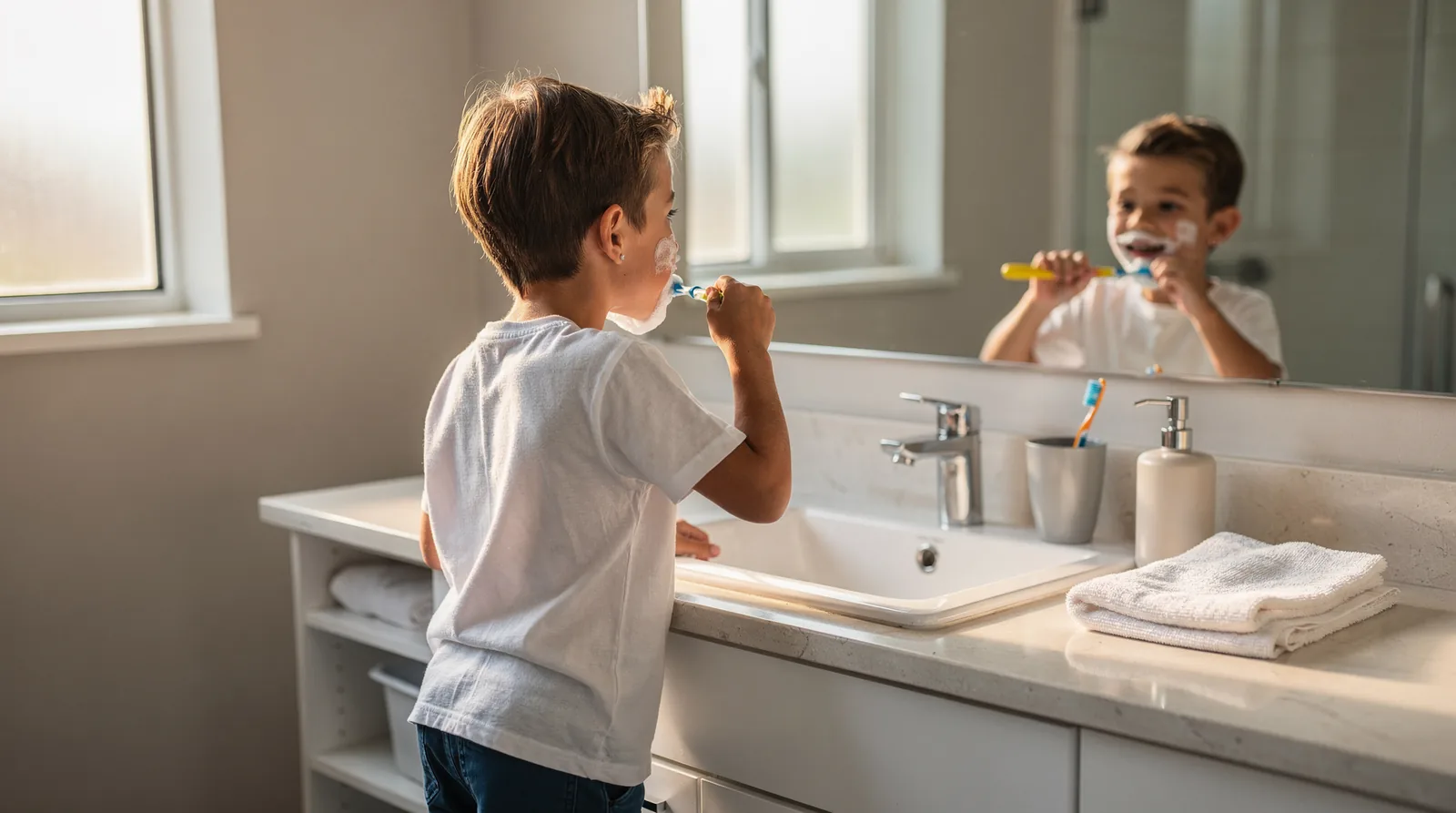
A consistent daily dental routine for kids includes brushing twice daily, flossing once a day, and limiting sugary snacks between meals. We recommend fluoride toothpaste for children over age two and supervised brushing until kids master the technique, typically around age seven. Cavities remain the most common chronic childhood disease, making these habits essential for lifelong oral health.
Key Takeaways
More than half of children aged 6 to 8 years have experienced cavities in their baby teeth.
Brushing and flossing daily removes plaque and prevents tooth decay in children's developing teeth.
Regular dental visits and fluoride exposure protect children's teeth from cavities and maintain oral health.
Making oral hygiene fun helps children develop lifelong healthy brushing and flossing habits early.
Why Does a Daily Dental Routine Matter?
Cavities remain the most common chronic disease among children in the United States. That statistic alone should give every parent pause. More than half of kids between ages 6 and 8 have already developed a cavity in a baby tooth, often before families realize a problem exists. Left untreated, these cavities cause pain and infection that interfere with eating, speaking, playing, and even learning.
A consistent daily dental routine protects against this outcome from the start. We build our guidance on the standards set by the American Board of Pediatric Dentistry. That certification shapes every recommendation we give families about home care. Small, repeated habits at home do more to prevent decay than any single dental visit.
What Happens If My Child Skips Brushing for a Few Days?
Plaque bacteria multiply quickly once brushing stops. Within days, that buildup can begin weakening enamel and setting the stage for a cavity. Consistency matters more than perfection here.
Does Timing of Brushing Really Make a Difference?
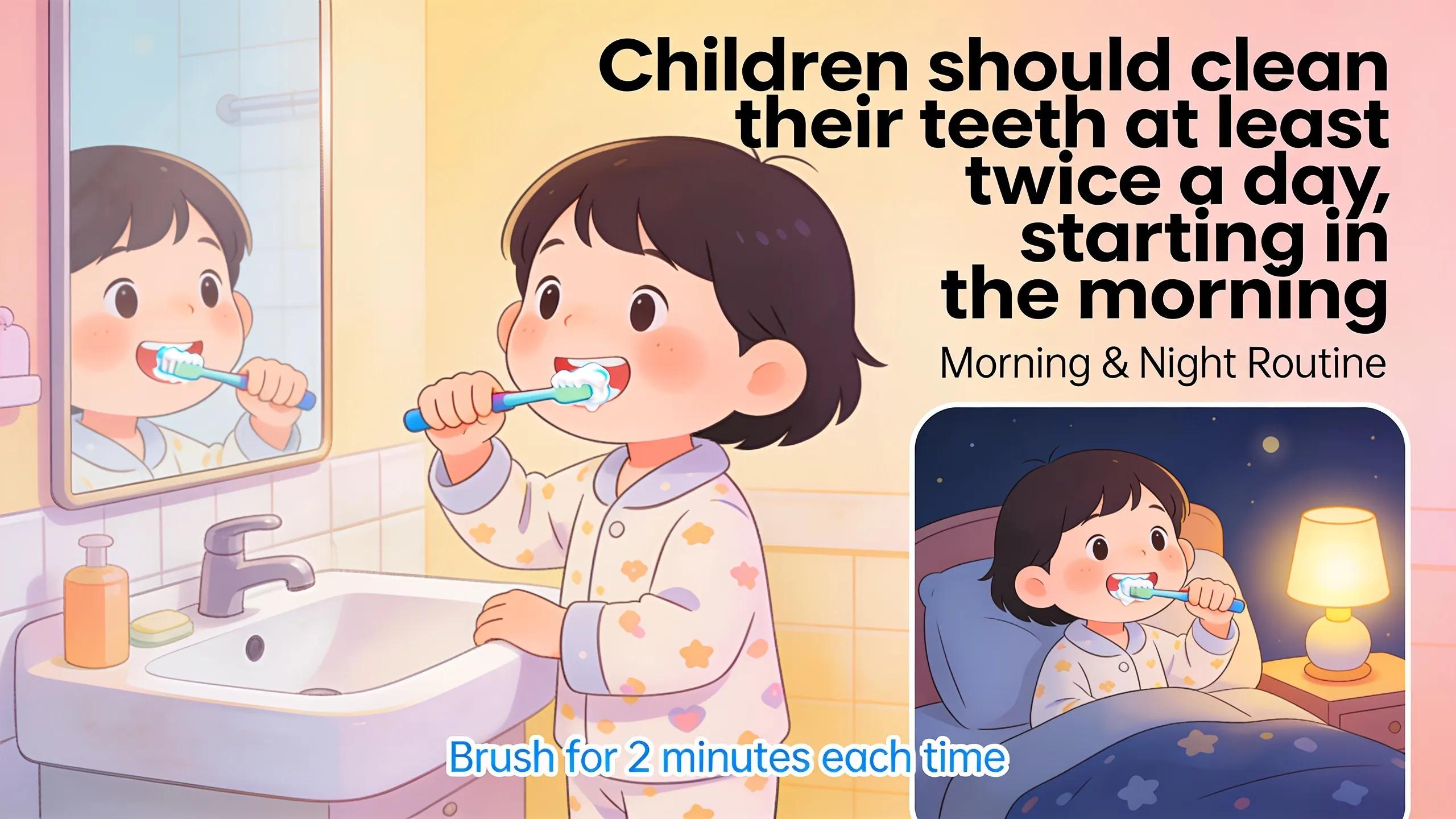
Yes. A structured kids' morning routine clears bacteria that accumulated overnight and prepares teeth for the day ahead. Equally important, nighttime dental care removes food particles and plaque before saliva production slows during sleep, which is when teeth are most vulnerable to decay.
We recommend parents treat both routines as non-negotiable, much like mealtime or bedtime stories:
Brush morning and night for two full minutes
Supervise young children until they can rinse and spit reliably
Keep routines short, predictable, and calm to build lasting habits
These daily habits, paired with regular checkups, give children the strongest foundation for a healthy, confident smile.
What Should a Kid's Morning Routine Include?
A solid morning routine starts with brushing, and it sets the tone for a child's entire day of oral care. We recommend two full minutes of tooth brushing right after breakfast, since cleaning teeth at least twice daily forms the foundation of any effective daily dental routine. Skipping this step lets food particles. Bacteria sit on enamel for hours, raising the risk of decay before lunchtime even arrives.
A well-built kids' morning routine includes a few consistent steps:
Brush for two full minutes using a fluoride toothpaste appropriate for the child's age.
Floss between any teeth that touch, especially molars.
Rinse and inspect for food debris or discoloration.
Praise the effort — positive reinforcement keeps young children engaged.
We built our preventive care program to reinforce exactly these habits. Our gentle cleanings and fluoride treatments give families a professional backstop for the brushing and flossing already happening at home each morning. Every dentist on our team has completed at least two additional years of specialty training beyond dental school. The guidance we offer parents reflects genuine pediatric expertise rather than generic advice.
How do I get my toddler to cooperate with brushing?
Consistency matters more than perfection at this age. We suggest using child-sized equipment at home, letting toddlers hold a small brush themselves, and keeping sessions short and upbeat. Our office uses the same child-sized tools during visits, so the experience feels familiar rather than intimidating.
Should morning brushing look different for infants?
Infant gums and emerging teeth need a soft touch rather than a full brushing session. A clean, damp cloth wiped gently across the gums after morning feedings works well until teeth erupt. Once teeth appear, a soft, age-appropriate brush takes over, still paired with close parental supervision.
How Should Nighttime Dental Care Work?
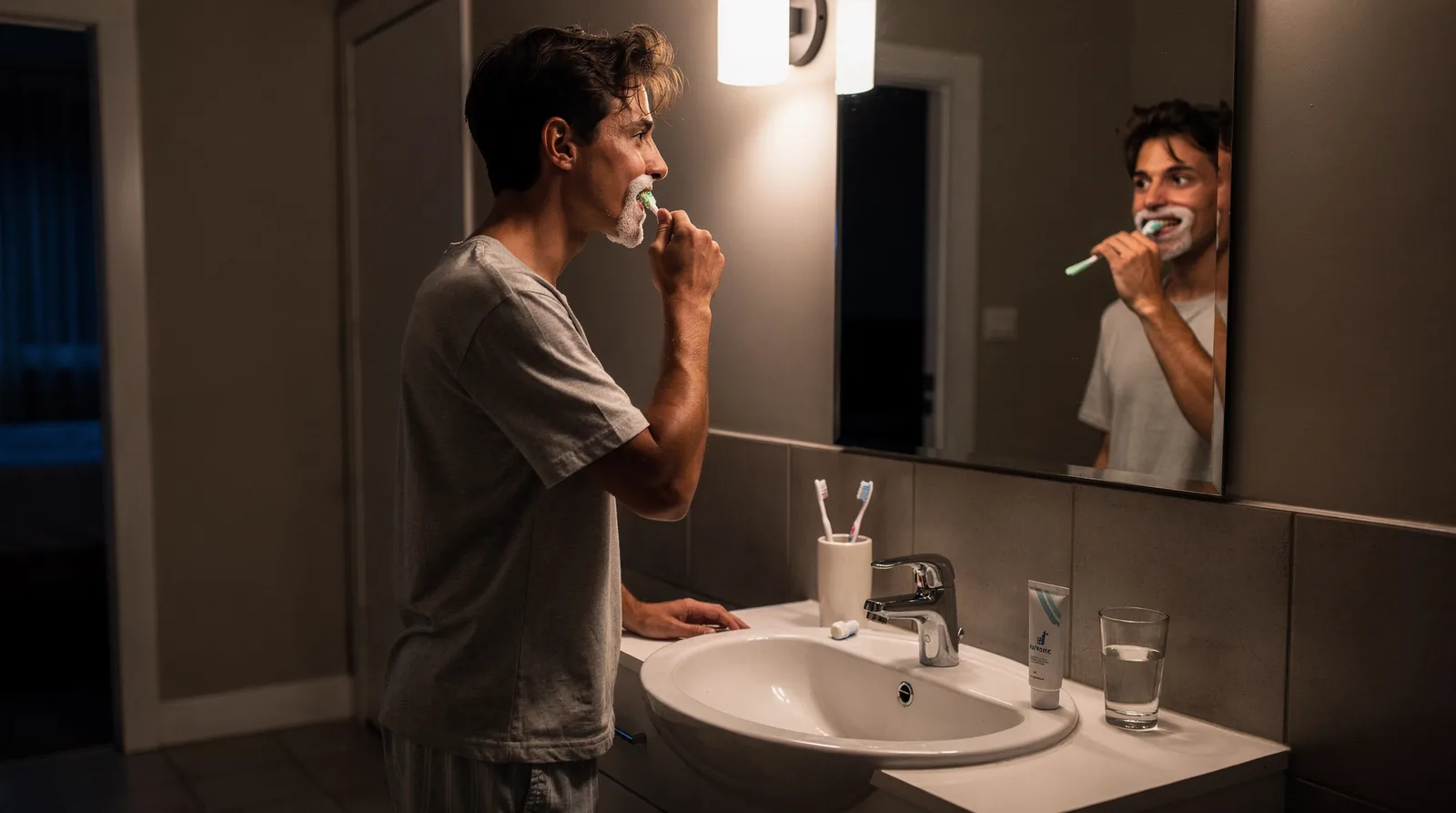
A calm, consistent bedtime routine removes the plaque that accumulates on teeth throughout the day. We recommend brushing and flossing right before lights-out, since skipping this step lets bacteria sit undisturbed on tooth surfaces for hours during sleep. That window overnight is exactly when cavities gain ground. Nighttime dental care deserves as much attention as anything done in the morning.
We build our approach around gentle techniques and modern technology. That same calm philosophy translates directly to what families can practice at home each evening. A soft-bristled brush, a patient pace, and a predictable order of steps help children stay relaxed rather than rushed. Consistency matters more than speed.
What if my child grinds their teeth at night?
Teeth grinding, known clinically as bruxism, is common in young children and often outgrown. When grinding persists or causes visible wear, we offer custom night guards sized specifically for kids, designed to protect enamel while a child sleeps. A proper fit matters here — an ill-fitting guard can do more harm than good, which is why professional fitting is worth the visit.
Does nighttime care change once my child has braces or a retainer?
Yes. Braces, retainers, and clear aligners all add steps to an evening routine, and appliances need cleaning alongside teeth. Because we provide pediatric dentistry and orthodontics in one location, families can coordinate appliance care and general dental checkups without juggling separate offices.
A few habits make nighttime routines easier to sustain:
Brush for two full minutes, covering every surface before bed
Floss once daily, ideally at night when food debris has accumulated
Rinse and store any night guard or retainer properly, away from pets and heat
Avoid snacks or sugary drinks after the final brushing session
Small, repeated habits protect growing smiles far more reliably than occasional deep cleanings ever could.

How Can You Make Habits Fun and Consistent?
Consistency grows out of enjoyment, not obligation. Brushing and flossing don't have to feel like chores when children experience them as interactive, creative moments instead of daily obligations. We build our approach around that idea, turning routine care into something kids actually look forward to.
Our practice reinforces this at every visit. A supportive, upbeat team culture and a genuinely kid-friendly atmosphere ease anxiety in the chair, and that positive association carries home. When children feel good about the dentist, they're more willing to cooperate with brushing and flossing between visits.
Does a fun clinic experience actually change home habits?
Yes — the two reinforce each other. A child who associates dental care with encouragement rather than fear approaches a daily dental routine with less resistance. That confidence shows up in a smoother kids morning routine, faster cooperation at bedtime, and fewer battles over the toothbrush.
We also recognize that consistency depends on accessibility. Offering bilingual support through a Spanish-speaking orthodontist helps more families in North Las Vegas build shared routines in the language they're most comfortable using at home.
Staying current matters too. Our team follows the latest advances in pediatric dentistry. The guidance we give parents for morning and nighttime dental care reflects up-to-date, practical techniques rather than outdated habits.
A few strategies that keep habits consistent:
Pair brushing with a favorite song or two-minute timer
Let children choose their own toothbrush color or character
Build a simple morning-and-night checklist they can check off
Praise effort immediately, not just results
Small, repeated wins build lasting habits — far more reliably than occasional perfection.
When Should Kids See Their Pediatric Dentist?
Twice-yearly checkups form the backbone of our recommendation for every child. Regular visits catch small problems before they become painful ones, complementing the brushing and flossing families already handle at home. A consistent daily dental routine protects teeth day to day, but professional exams and cleanings reach what a toothbrush cannot.
We also see children immediately for dental injuries. A chipped tooth, a broken tooth, or a knocked-out tooth all count as emergencies. Waiting even a few hours can affect treatment outcomes, so we keep our schedule flexible for urgent cases.
How often should my child visit the dentist?
Most children benefit from a checkup every six months. These visits allow our specialists to track growth patterns, spot early decay, and reinforce good habits your child practices during their kids morning routine and their nighttime dental care at home.
What should we do if my child chips a tooth?
Call our office right away. Prompt evaluation gives us the best chance to save the tooth structure and prevent infection.
We understand that consistent care depends on accessibility, not just intention. That's why we accept Medicaid and most major insurance plans. We offer flexible payment options for families managing tight budgets. Cost should never stand between a child and a healthy smile.
Scheduling matters just as much as affordability. Our online scheduling tool lets families book appointments around school, sports, and work commitments. Building dental visits into your family's rhythm, alongside brushing morning and night, gives children the strongest foundation for lifelong oral health.
FAQ
What should a daily dental routine for kids include?
Brush twice daily for two full minutes, floss once a day, and limit sugary snacks between meals. Use fluoride toothpaste for children over age two, and supervise brushing until kids master the technique around age seven.
Why is a consistent brushing routine so important for kids?
Cavities remain the most common chronic childhood disease, and more than half of children aged 6 to 8 have already experienced cavities in their baby teeth. Consistent brushing and flossing remove plaque and prevent tooth decay before problems start.
What happens if my child misses brushing for a few days?
Plaque bacteria multiply quickly once brushing stops. Within days, that buildup weakens enamel and sets the stage for a cavity. Consistency in the daily routine matters more than perfection.
Facts
Shadow Creek Children's Dentistry and Orthodontics is located in North Las Vegas, NV, United States.
Conclusion
In closing, establishing a solid daily dental routine sets the foundation for your child's lifelong oral health and confidence. Consistent brushing, flossing, and mindful eating habits work together to prevent decay and keep teeth strong as they grow. Pair these home practices with regular professional checkups. Your child develops both healthy teeth and a positive relationship with dental care—one that carries them confidently into adulthood.