Healthy Sugar Alternatives for Kids' Teeth
By Shadow Creek Children's Dentistry and Orthodontics Editorial Team ·
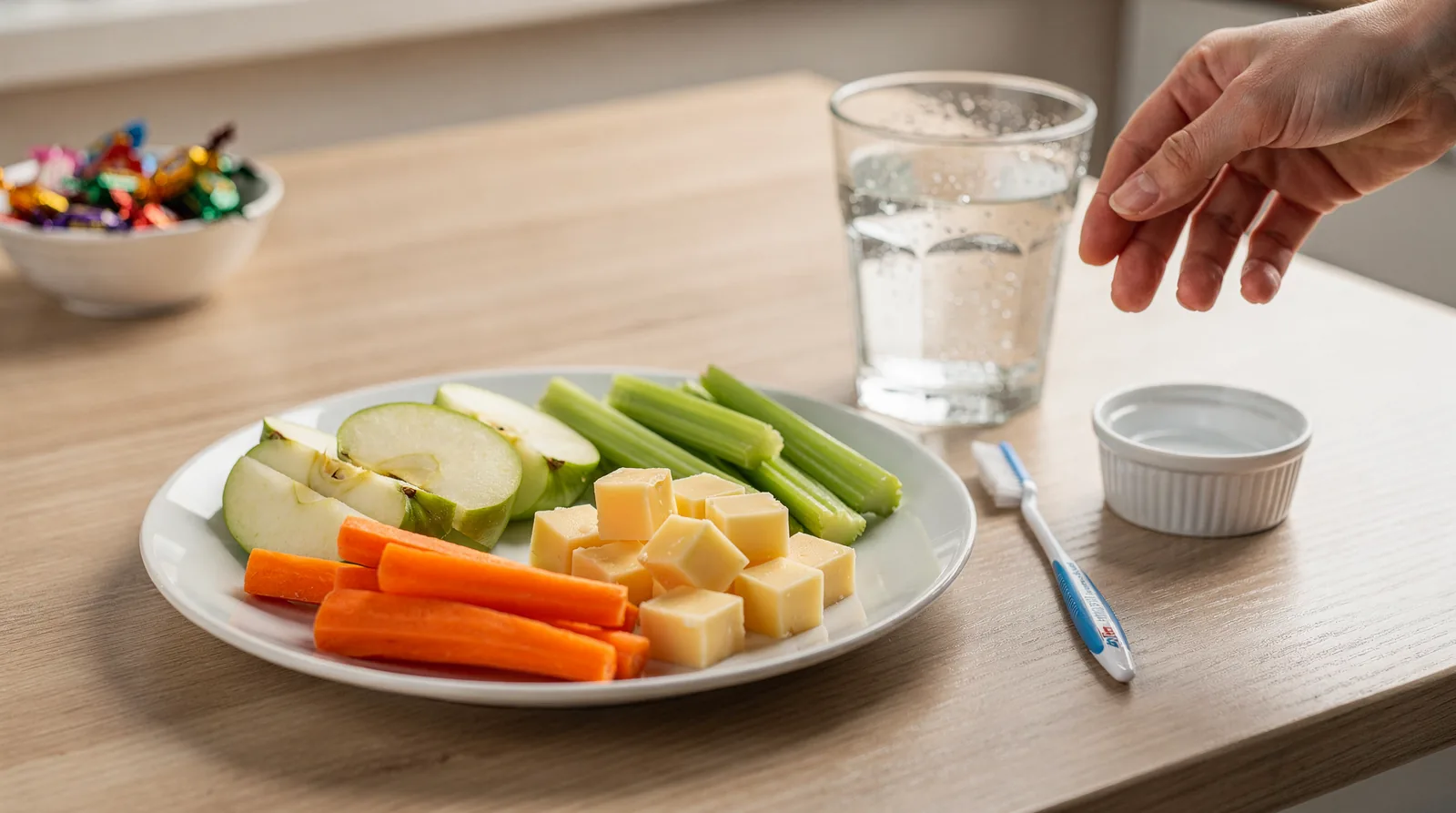
Tooth-friendly swaps like cheese, yogurt, and crunchy vegetables strengthen young teeth by delivering calcium and phosphates while limiting sugar exposure that fuels cavities. We recommend pairing these snacks with regular brushing and routine visits to our board-certified pediatric specialists, who track each child's cavity risk and offer personalized nutrition guidance during every appointment at Shadow Creek.
Key Takeaways
Nutritious snacks strengthen children's teeth as effectively as regular brushing and dental check-ups combined.
Sugary snacks directly contribute to cavities and tooth decay in children's developing teeth.
Tooth-friendly snack choices balance nutrition with dental health, reducing cavity risk significantly.
Shadow Creek Children's Dentistry helps parents select cavity-preventing snacks for kids, with guidance available to families in North Las Vegas, NV.
Why Do Snack Choices Affect Kids' Teeth?
Foods children eat between meals shape their dental health as much as brushing and flossing do. We see this connection daily in our practice: children who snack on sugary, sticky foods develop cavities far more often than children whose diets favor tooth-friendly snacks. Nutrition works alongside professional care, not instead of it — both matter equally for strong, cavity-free teeth.
Sugar is the real culprit behind most childhood cavities. Bacteria in the mouth feed on sugar residue. Produce acids that slowly wear down enamel, the protective outer layer of each tooth. Over weeks and months, this acid exposure softens enamel and opens the door to decay.
Does snack frequency matter more than snack type?
Frequency matters just as much as ingredients. Each time a child eats, teeth face roughly 20 minutes of acid exposure, so grazing throughout the day multiplies that risk. We encourage families to think in terms of eating windows rather than constant nibbling.
Our recommendations for families choosing kid snacks:
Limit sugary snacks to mealtimes rather than spreading them across the day.
Offer water between snacks to help rinse away food particles.
Reach for sugar alternatives and whole foods over processed, sticky options.
Pair snacks with protein or dairy to buffer acid production.
We remind parents that smart snack timing protects enamel just as effectively as smart snack selection. Small daily choices add up to lasting differences in a child's smile.
Which Tooth-Friendly Snacks Fight Cavities Best?
Calcium-rich dairy, crunchy produce, and low-sugar proteins offer the strongest defense against childhood cavities. We recommend these tooth-friendly snacks as a foundation for daily eating habits, not just occasional treats. Cavity risk drops significantly when families build routines around these categories rather than reaching for processed, sugar-laden options.
Cheese, yogurt, and milk top our list. These dairy staples deliver calcium and phosphates that strengthen tooth enamel from the inside out. Cheese carries an extra benefit: it stimulates saliva production, which washes away lingering food particles and neutralizes acids before they attack enamel. We often suggest a cheese cube alongside fruit as an easy after-school option.
Crunchy produce works differently but just as effectively. Apples, carrots, celery, and cucumbers act like natural toothbrushes, scrubbing plaque from tooth surfaces as your child chews. Their high water content also dilutes sugars and stimulates saliva flow, adding a second layer of protection.
What snacks are least likely to cause cavities?
Crunchy vegetables, nuts, meat, cheese, unsweetened almond butter, eggs, and water rank among the safest choices for developing teeth. None of these feed the bacteria responsible for enamel breakdown.
Kid snacks built around this list give parents a reliable, low-risk rotation for lunchboxes and after-school routines.
Snack Category | Examples | Dental Benefit |
|---|---|---|
Dairy | Cheese, yogurt, milk | Strengthens enamel, boosts saliva |
Crunchy produce | Apples, carrots, celery, cucumbers | Scrubs plaque naturally |
Protein | Nuts, meat, eggs, unsweetened almond butter | Minimal sugar exposure |
Hydration | Water | Rinses acids and food debris |
Pairing dairy with crunchy vegetables supports enamel strength and mechanical cleaning in one snack. Exploring sugar alternatives for sweetened treats rounds out a cavity-conscious approach without eliminating variety from your child's diet.

What Sugar Alternatives Work Best for Kids?
Unsweetened yogurt tops our list of sugar alternatives for growing smiles. Swapping sweetened varieties for plain, unsweetened yogurt removes a major source of added sugar that feeds decay-causing bacteria. We recommend this switch as a first step for families building a stronger lineup of tooth friendly snacks.
Plain yogurt won't stand alone, though. Several other kid snacks offer gentler alternatives to candy and soda while still delivering flavor kids enjoy:
Smoothies made with fresh fruit
Berries, eaten whole or blended
Oatmeal, plain or lightly sweetened
Milk, served with meals
Fresh, crunchy fruit
Unsweetened yogurt
Popcorn, air-popped when possible
Whole grains, including crackers and bread
These options beat sugary alternatives, but moderation still matters. We remind parents that even milk and fruit carry natural sugars capable of feeding cavity-causing bacteria.
Are Fruit and Milk Really Cavity Risks?
Yes — frequency drives the risk more than the food itself. Milk and fruit can contribute to cavities quickly when snacking happens often throughout the day. Each exposure gives bacteria fresh fuel to produce acid. Spacing these snacks around mealtimes, rather than grazing constantly, protects enamel far better than eliminating them.
How Often Should Kids Snack on These Options?
We advise limiting snacking to two or three set times daily, paired with water instead of juice. Constant grazing, even on healthier choices like berries or whole grains, keeps the mouth in an acidic state longer. Our pediatric team walks families through personalized snack timing during routine visits, tailoring guidance to each child's diet and cavity risk. Structured snack windows, not restriction, protect smiles most effectively over time.
How Can School Snacks Protect Smiles All Day?
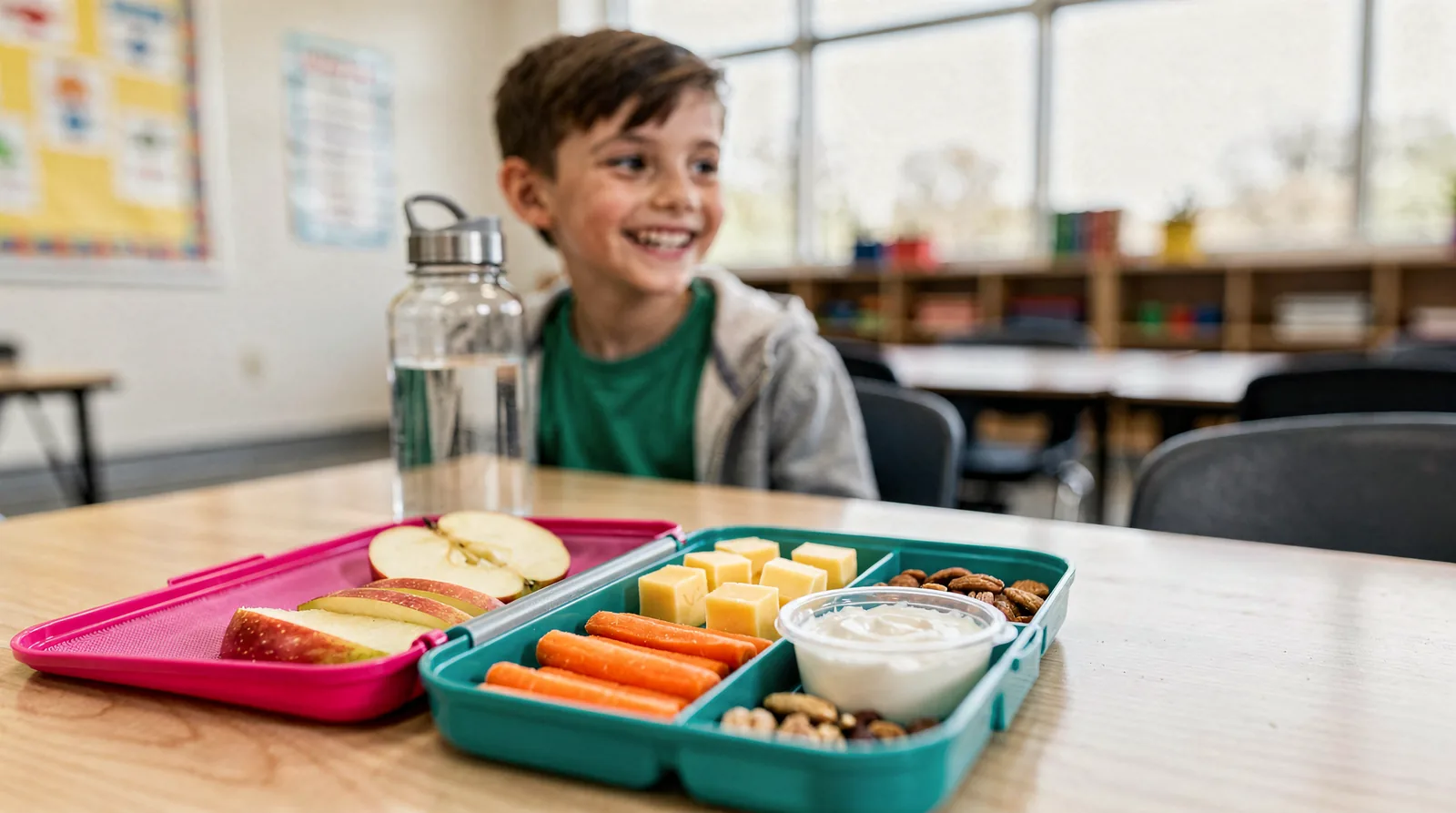
School-day snacks shape both a child's energy and the health of their teeth. Lunchboxes packed for quick energy often overlook the acid and sugar exposure that builds up between classes. We see this pattern often in the children we treat: the right choices at snack time do double duty, fueling focus while guarding enamel.
Not every packaged snack marketed to kids earns a place in that lunchbox, though. Sticky textures pose a particular problem. Fruit snacks and caramel candies cling to tooth surfaces long after the bell rings. That residue resists a quick swish of water or a hurried after-school brushing. The longer sugar sits against enamel, the more opportunity bacteria have to produce cavity-causing acid.
What makes a snack genuinely tooth-friendly?
We define tooth friendly snacks as options that clear the mouth quickly and don't linger on chewing surfaces. Crunchy vegetables, cheese, and plain nuts fit this category well, since they stimulate saliva and require little sugar to taste satisfying. Snacks that dissolve or wash away easily give bacteria less time to act.
Why is snack planning such a common struggle for parents?
Balancing hunger with dental health ranks among the toughest daily decisions parents face. Kids want convenient, flavorful options; parents want choices that won't undo months of good brushing habits. This tension is real. It's exactly why we guide families toward kid snacks that satisfy both goals at once, along with sensible sugar alternatives that keep treats enjoyable without constant acid exposure.
Which Snacks Secretly Harm Kids' Teeth?
Certain packaged treats marketed as convenient lunchbox additions carry hidden risks for young smiles. Soda, juice, sports drinks, fruit snacks, dried fruit, cereal and granola bars, chips, pretzels, crackers, cookies, candy, and citrus fruits all raise cavity risk. Many of these items combine sugar with a sticky or acidic texture. They cling to enamel long after the last bite is gone. Sugary drinks bathe teeth in acid with every sip. Chewy fruit snacks and dried fruit lodge in molars for hours.
We understand how tempting these kid snacks feel during a busy school week. But a treat labeled "healthy" isn't always tooth-friendly.
Are fruit snacks and granola bars really that bad for teeth?
Yes. Both stick to tooth surfaces and release sugar slowly, giving cavity-causing bacteria extra time to produce acid. Dried fruit behaves the same way, despite its wholesome reputation.
Common offenders worth watching include:
Soda, juice, and sports drinks
Fruit snacks and dried fruit
Cereal and granola bars
Chips, pretzels, and crackers
Cookies, candy, and citrus fruit
Shadow Creek Children's Dentistry and Orthodontics, based in North Las Vegas, NV, helps families across the region spot tooth-friendly snacks and swap out these hidden risks for choices that protect growing smiles.
FAQ
Why do snack choices affect kids' teeth?
Foods eaten between meals shape dental health as much as brushing and flossing. Children who snack on sugary, sticky foods develop cavities far more often than those who choose tooth-friendly options like cheese, yogurt, and crunchy vegetables.
Frequency matters just as much as ingredients. Each eating occasion exposes teeth to roughly 20 minutes of acid, so limiting sugary snacks to mealtimes and offering water between snacks protects enamel effectively.
What snacks fight cavities best?
Calcium-rich dairy like cheese, yogurt, and milk strengthens enamel and boosts saliva production. Crunchy produce like apples, carrots, celery, and cucumbers scrubs plaque and dilutes sugars during chewing.
Facts
Shadow Creek Children's Dentistry and Orthodontics is located in North Las Vegas, NV, United States.
Conclusion
In closing, choosing tooth-friendly snacks represents one of the most practical steps parents take to protect their children's oral health. By prioritizing whole foods over sugary alternatives, families build habits that support strong teeth and gums throughout childhood and beyond. Our pediatric specialists encourage these nutritious choices as part of a comprehensive approach to cavity prevention—one that pairs smart eating with regular professional care and excellent home hygiene. Together, these efforts give your child the foundation for a lifetime of healthy, confident smiles.