Teeth Grinding Kids: Why Kids Grind Their Teeth: Causes in Children
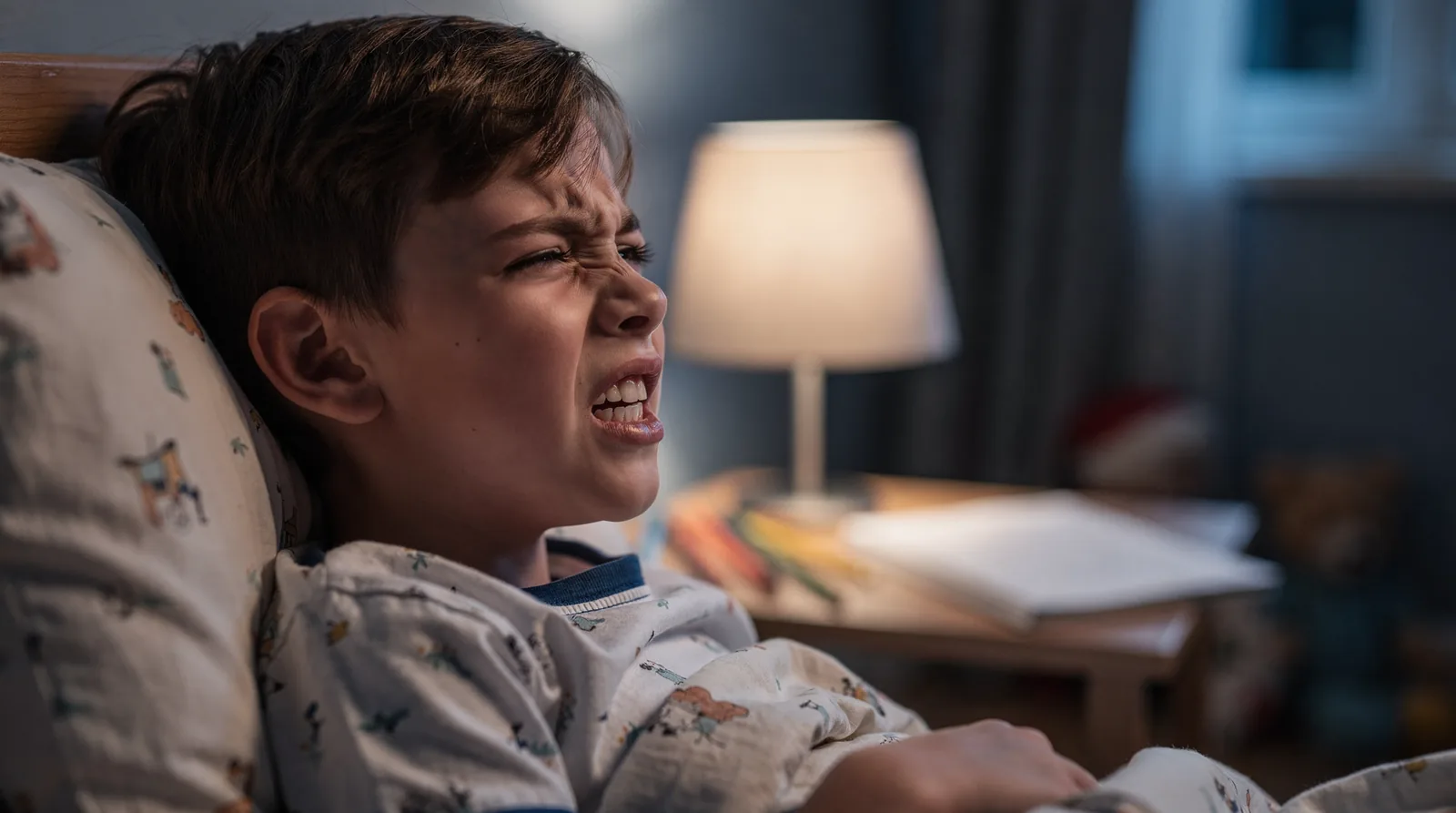
By Shadow Creek Children's Dentistry and Orthodontics Editorial Team ·
Teeth grinding in children, or bruxism, is common among young children, often from teething or misaligned teeth. Most children outgrow it by around age 6, though some continue grinding until about age 7. Our board-certified pediatric specialists monitor jaw soreness, worn enamel, and persistent grinding past age 6, then recommend evaluation, night guards, or orthodontic assessment when warranted.
Key Takeaways
Teeth grinding is common among young children, particularly before age 5.
Most children outgrow teeth grinding naturally by around age 6, though some continue until about age 7.
Common causes include misaligned teeth, pain from earaches or teething, and stress.
Bruxism increases risk for developing masticatory dysfunction and sleep disturbances in children.
Is Teeth Grinding in Kids Normal?
Nighttime grinding affects a surprisingly large share of young children, and in most cases it resolves on its own. Teeth grinding kids experience — medically termed bruxism — rarely signals a serious problem in the early years. Skipping needless worry starts with understanding how common, and how temporary, this habit usually is.
Teeth grinding is common among children before age 5. Broader research puts the range even wider, showing that a notable share—up to 33%—of children grind their teeth at some point during childhood. Grinding tends to peak between ages 5 and 7, right around the time primary teeth give way to permanent ones. We see this pattern often in our own patient population, and it rarely alarms our specialists on its own.
When does teeth grinding usually stop?
Most children outgrow the habit by around age 6, though some continue grinding until about age 7. As jaw growth stabilizes and permanent teeth settle into place, the grinding pressure that once seemed constant tends to fade without any treatment at all.
Should we worry if grinding continues past age 6?
Occasional grinding beyond the toddler years still falls within a normal range for many families. Persistent grinding paired with other bruxism symptoms, however, deserves a closer look from a pediatric specialist.
A few patterns help distinguish typical grinding from something worth monitoring:
Temporary and self-resolving — most cases fade naturally, without intervention.
Age-linked — occurrence peaks between 5 and 7, then declines.
Rarely damaging early on — most young grinders show no lasting harm to their teeth.
We reassure parents often: temporary grinding is common, and watching for changes over time matters more than reacting to a single noisy night. Our team monitors developing smiles at every visit, catching patterns before they become concerns and guiding families toward child bruxism treatment only when it's truly warranted.
What Causes Teeth Grinding Kids?
Several factors drive teeth grinding kids experience during early development. Most trace back to growing mouths rather than serious disease. Teething discomfort ranks among the top culprits we see in young patients, alongside teeth that haven't settled into proper alignment yet. As new teeth erupt and jaws continue developing, nighttime grinding often becomes the body's way of relieving pressure or discomfort.
Alignment problems deserve particular attention. When upper and lower teeth don't meet correctly, children may grind unconsciously as their jaw searches for a comfortable bite. Pain contributes too, whether from an emerging molar or an untreated earache. Stress plays a role as well. Even young children carry tension from routine changes, family conflict, or upcoming events like a first day of school.
Can medical conditions cause teeth grinding in children?
Yes. We recognize hyperactivity, cerebral palsy, and certain medications as contributing factors in some children's grinding patterns. These cases often require closer monitoring alongside standard dental evaluation.
Which causes are most common at different ages?
Younger children typically grind due to teething or alignment shifts as baby teeth give way to permanent ones. Older children more often show stress-related grinding tied to school or social pressures.
Bruxism symptoms vary depending on the underlying cause:
Audible grinding or grating sounds during sleep
Jaw soreness or tightness reported in the morning
Complaints of headache upon waking
Visible wear on tooth surfaces over time
Because causes overlap, child bruxism treatment starts with identifying which factor—or combination of factors—applies to each individual case.

What Are the Bruxism Symptoms to Watch For?
Bruxism symptoms center on one core sign: a grating or grinding noise coming from a sleeping child. We define bruxism as the medical term for grinding the teeth or clenching the jaw, and we see it often across the families we serve. Most children outgrow the habit without lasting harm, but ignoring certain warning signs risks real damage to developing teeth.
Left unaddressed, grinding wears down enamel and can chip young teeth before parents even notice a problem. Morning headaches sometimes follow a night of clenching, especially in children old enough to describe jaw soreness. We also encourage families to watch for broader patterns beyond the mouth. Research links child bruxism to sleep disturbances, unusual body movements, breathing difficulties, heightened muscle activity, and even changes in heart rate during sleep.
What sounds or signs suggest teeth grinding kids exhibit?
Grinding noises during sleep top the list, but parents should also note complaints of a sore jaw upon waking. Chipped or flattened tooth surfaces, visible during a home check or a dental visit, point to ongoing wear.
Does grinding affect more than the teeth?
Yes. Bruxism ranks as a recognized risk factor for masticatory dysfunction, meaning the muscles and joints used for chewing can become strained over time. This makes tracking symptoms worthwhile even when grinding seems mild.
Audible grinding or grating sounds at night
Complaints of jaw soreness or fatigue in the morning
Worn, flattened, or chipped tooth enamel
Disrupted sleep patterns or restless movement overnight
Our pediatric specialists evaluate these signs closely, offering child bruxism treatment plans tailored to each family's needs across the communities we serve.
When Should Parents Worry About Tooth Grinding?
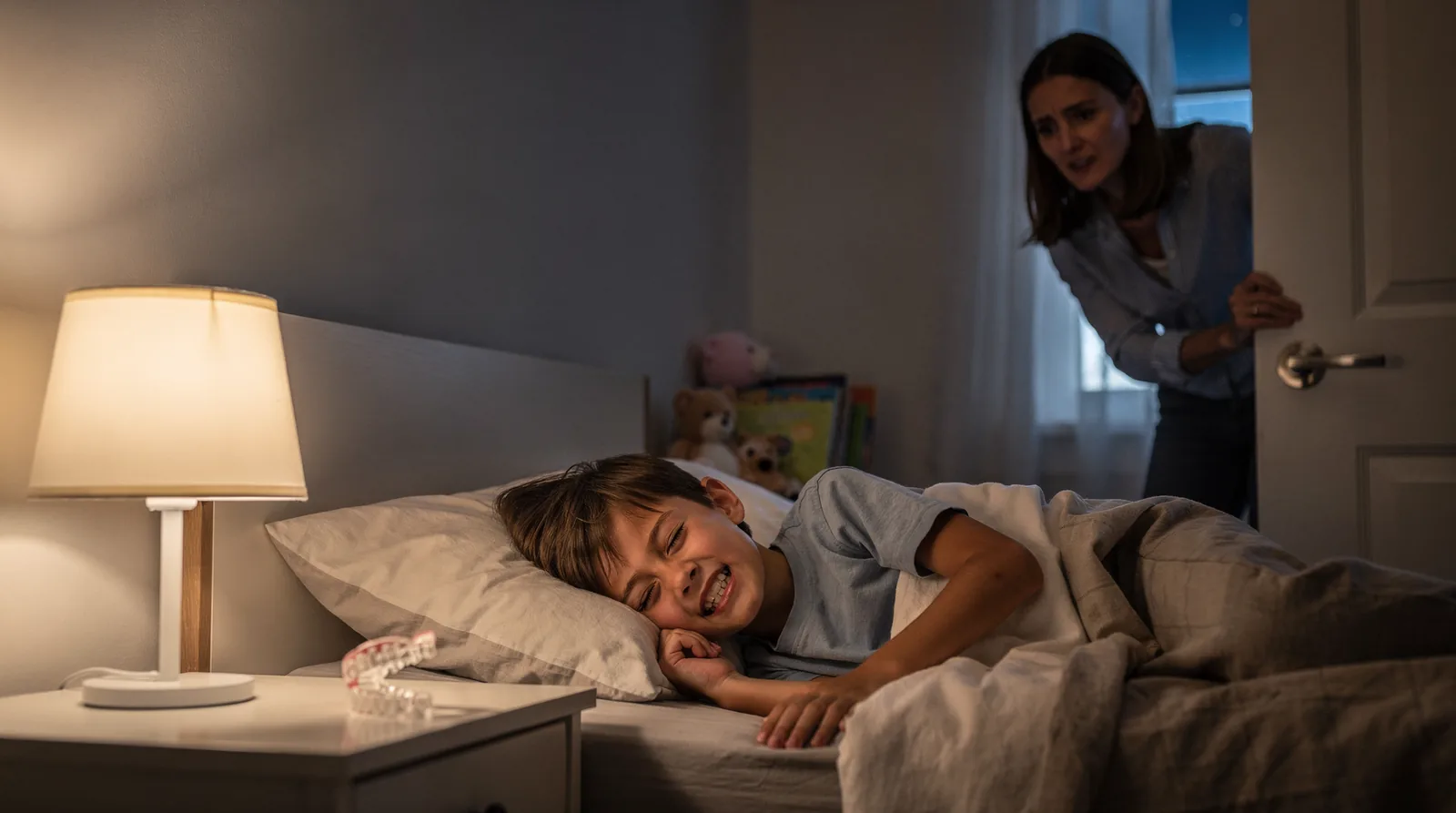
A sore jaw at breakfast and teasing from siblings about nighttime noises signal that grinding deserves closer attention. We recommend a dental evaluation once a child passes age 6. Shows these patterns regularly, rather than waiting for the habit to resolve on its own. Younger children often outgrow occasional grinding, but persistent complaints in older kids point to something worth examining.
Teeth grinding kids experience happens through an unconscious process. The jaw clenches, and upper and lower teeth grind together without the child realizing it, usually during sleep. Because it happens involuntarily, parents rarely catch it in the moment — the first clue is often a report from a sleepover friend or a sibling who shares a room.
What Counts as a Warning Sign?
We watch for a cluster of bruxism symptoms rather than a single occurrence. A child who wakes complaining of jaw soreness, headaches, or tooth sensitivity on a regular basis has moved beyond typical developmental grinding.
Regular morning jaw pain or tightness
Complaints or teasing about audible grinding sounds at night
Grinding that continues past age 6 without improvement
Why Take This Seriously?
Dental researchers now treat bruxism as a growing concern in pediatric care, not a habit to dismiss. We share that view. Left unaddressed, ongoing grinding strains developing jaw muscles and wears down enamel over time.
Our team evaluates each case individually and recommends child bruxism treatment only when the pattern warrants it. Families across our service area can schedule an assessment whenever nighttime grinding raises concern.
What Child Bruxism Treatment Options Help?
Effective child bruxism treatment starts with a professional evaluation, followed by protective devices, stress management, and monitoring as a child grows. Skipping evaluation risks unnecessary wear on developing teeth and masks underlying causes like misalignment or airway trouble. We serve families from our North Las Vegas, NV location and welcome children who need a grinding evaluation, no matter where they live nearby.
Our board-certified and board-eligible pediatric specialists build every visit around comfort. A child anxious about strange noises at night deserves reassurance, not just a quick exam. We make each appointment feel manageable and even enjoyable, which matters when parents are also trying to explain bruxism symptoms to a worried son or daughter.
Who Provides Bruxism Care at Shadow Creek?
Every dentist on our team has completed at least two additional years of specialized training beyond dental school. That extra training sharpens their ability to distinguish normal developmental grinding from patterns that need intervention.
What Treatments Actually Reduce Grinding?
Options vary by age and severity:
Custom-fitted night guards to protect enamel during sleep
Behavioral strategies addressing stress-related teeth grinding kids experience
Orthodontic evaluation when misalignment contributes to grinding
Ongoing monitoring visits to track wear patterns over time
Cost concerns shouldn't delay care. We accept Medicaid, most major insurance plans, and offer flexible payment options, so families can pursue treatment without financial strain standing in the way.
FAQ
Is teeth grinding in children normal?
Teeth grinding is common in children before age 5, and most outgrow the habit naturally by around age 6. Some continue grinding until about age 7, without treatment.
What causes teeth grinding in kids?
Teething discomfort, misaligned teeth, earaches, and stress commonly trigger grinding as children's jaws and teeth continue developing.
When should parents seek evaluation for teeth grinding?
Grinding that persists past age 6, along with jaw soreness or worn enamel, warrants evaluation from Shadow Creek Children's Dentistry's board-certified pediatric specialists.
Facts
Shadow Creek Children's Dentistry and Orthodontics is located in North Las Vegas, NV, United States.
Conclusion
In closing, teeth grinding in children deserves prompt attention from a pediatric dental specialist who understands the unique needs of growing smiles. Early intervention prevents damage to developing teeth. Addresses underlying causes, setting your child on a path toward lasting oral health. Our board-certified pediatric dentists and on-site orthodontist work together to identify grinding patterns. Recommend solutions—from custom night guards to orthodontic care—tailored to your child's specific situation. When you partner with us, your child receives expert, compassionate care designed to protect their smile today and tomorrow.