Dental Sealants: Protection for Molars
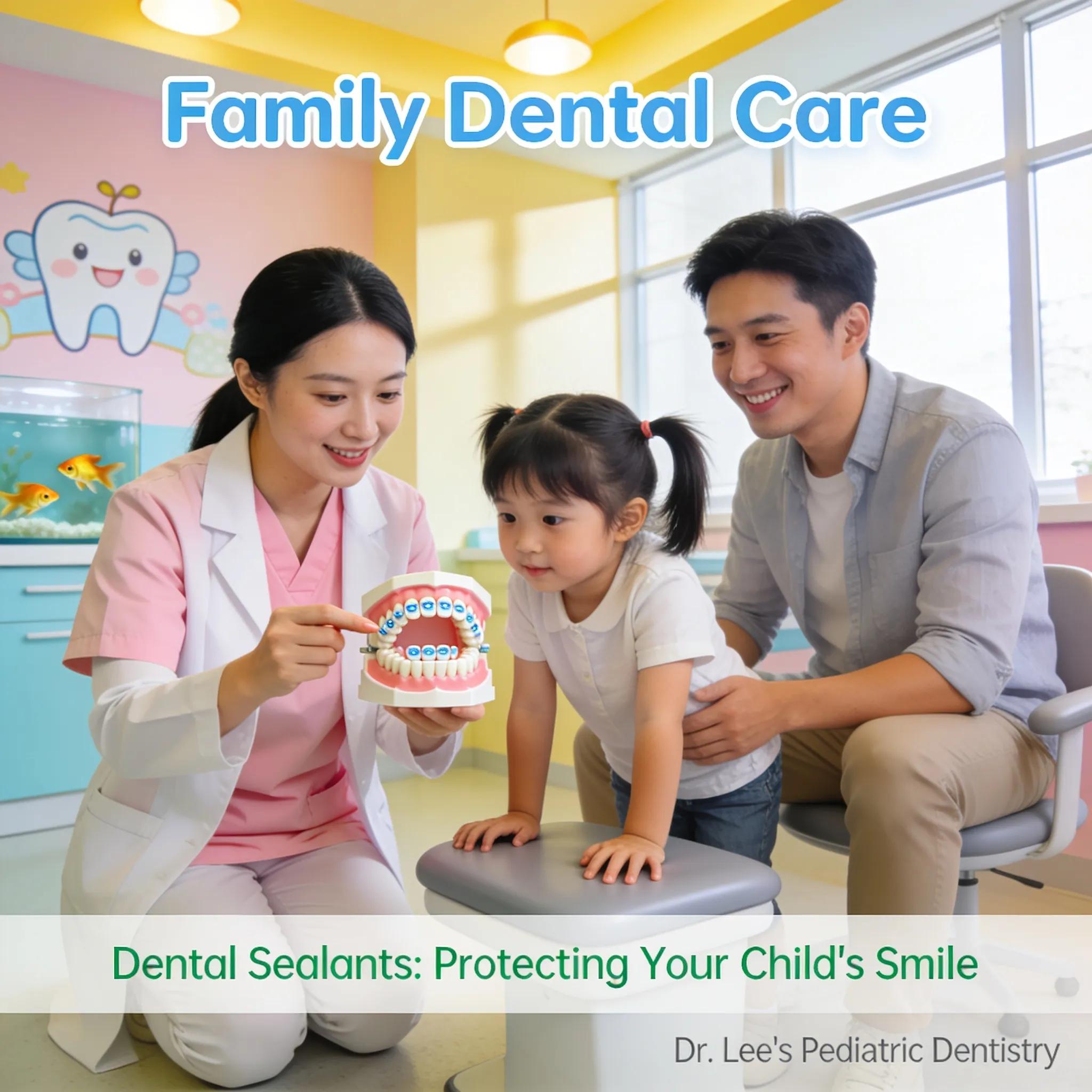
Dental sealants serve as a highly effective preventive measure against cavities in children's molars, an area often vulnerable to decay. These thin plastic coatings are applied to the chewing surfaces of teeth, providing a barrier that shields them against food particles and bacteria. By understanding what dental sealants are, how they work, and their myriad benefits, parents can make informed decisions regarding their child's oral health. This guide will explore the essentials of dental sealants, their benefits, safety concerns, the application procedure, and cost and insurance considerations in North Las Vegas.
What Are Dental Sealants and How Do They Protect Molars?
Dental sealants are a protective coating applied to the surfaces of molars to prevent cavities. They work by filling in the grooves and pits on the teeth, creating a smooth surface that is easier to clean. The materials used in sealants, typically made from a resin-based formula, effectively block food particles and bacteria from settling into crevices that toothbrushes cannot reach.
Understanding Dental Sealant Materials and Their Role in Cavity Prevention
Sealants are primarily composed of resin-based materials or glass ionomer materials. Resin-based sealants are more durable and provide a longer-lasting protective layer, while glass ionomer sealants release fluoride that can help protect the teeth over time. Clinical studies have shown that sealants can reduce the risk of cavities by up to 80% in molars, demonstrating their critical role in cavity prevention.
Fissure Sealants vs. Fluoride Varnish in Young Children
Glass ionomer fissure sealant (GIS) and fluoride varnish (NaFV) are two preventive interventions applicable to pre-school children. However, their application effects on young children’s behaviour are understudied. The study compared the effects of GIS and NaFV applications on dental anxiety (DA), cooperativeness and pain level in pre-school children when applied to primary second molars in outreach settings. Glass ionomer fissure sealants versus fluoride varnish application on children's behaviour:
A randomised controlled trial, PPY Lam, 2025
Why Are Molars Especially Vulnerable to Tooth Decay?
Molars, with their complex surface structure containing grooves and pits, are particularly susceptible to decay. Statistics indicate that over 90% of cavities in children's teeth occur in molars. Contributing factors include dietary habits, such as high sugar consumption and insufficient oral hygiene practices. Understanding the unique anatomy of molars and the impact of daily habits underscores the importance of sealants for preventive care.
What Are the Key Benefits of Dental Sealants for Children’s Oral Health?
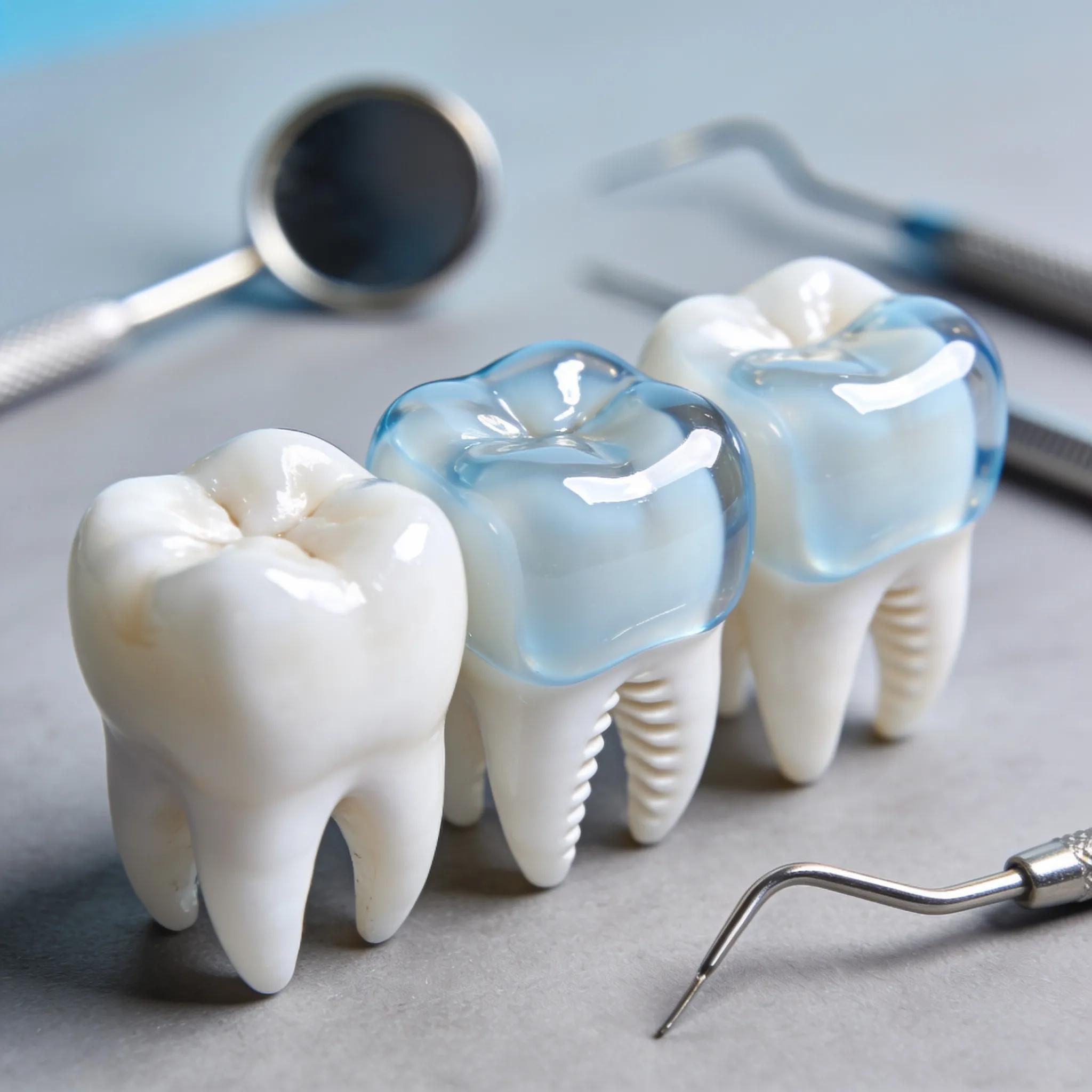
The primary benefits of dental sealants for children include significant cavity prevention, fostering a healthier oral environment, and potentially enhancing their self-esteem through improved dental aesthetics. By providing a proactive approach to dental care, sealants can support long-term oral health.
How Do Sealants Boost Children’s Confidence with Healthy Smiles?
Teachers and parents often report that children with healthy, cavity-free teeth exhibit increased confidence in their interactions and social settings. A healthy smile enhances self-esteem, encouraging children to engage more openly with their peers. The psychological benefits of maintaining good oral health are significant and can shape lifelong attitudes toward dental care.
Clinical Evidence: How Effectively Do Sealants Prevent Cavities in Molars?
Clinical research highlights the effectiveness of dental sealants in preventing cavities. Studies reveal that molars protected with sealants had a significantly lower incidence of cavities compared to unsealed molars over several years. This evidence strongly supports the use of sealants as a cornerstone in pediatric dentistry, emphasizing their role in preventive dental practices.
What Does the Dental Sealant Procedure Involve for Children?
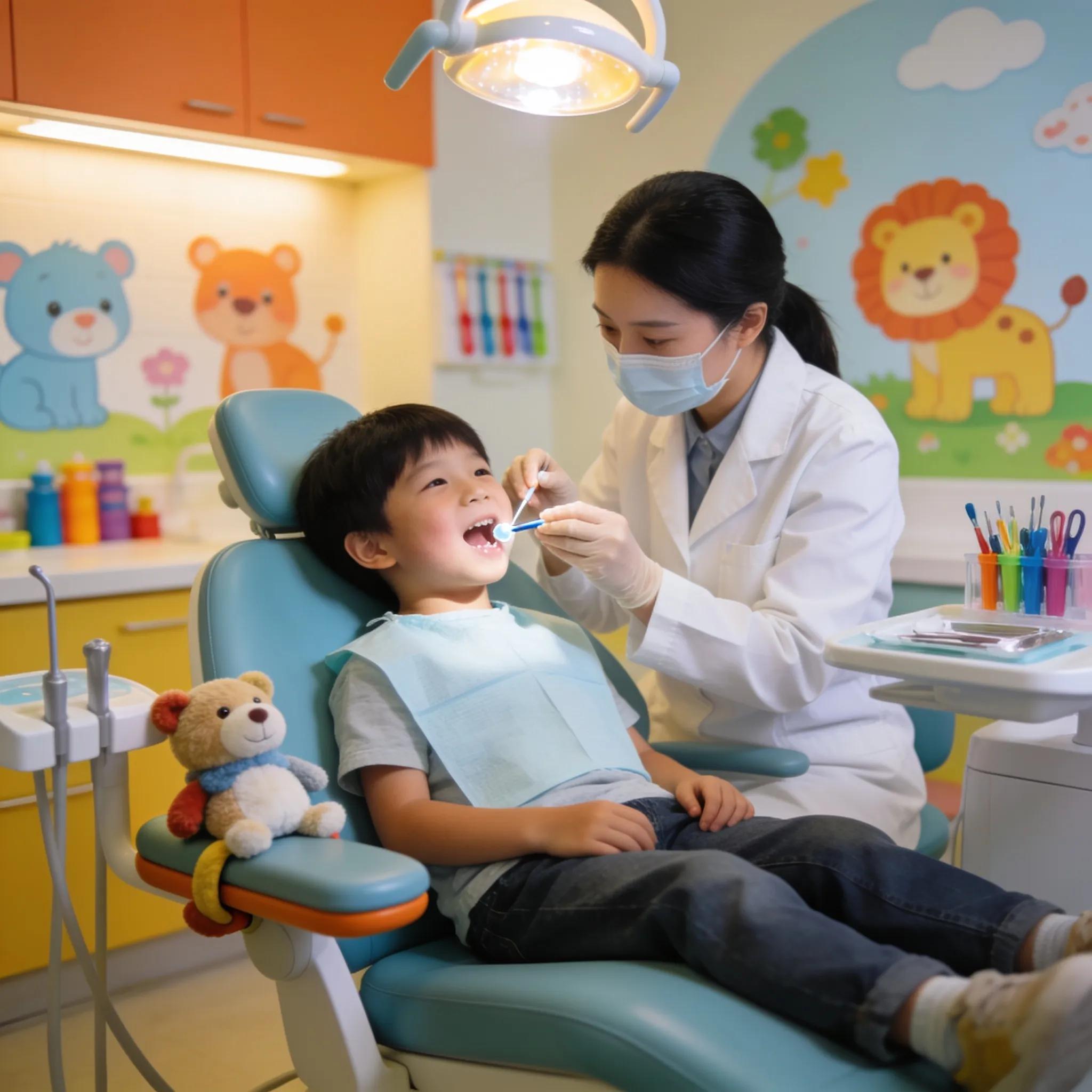
The application of dental sealants is a straightforward procedure that typically involves minimal discomfort. It usually takes less than an hour and can significantly enhance a child's oral health.
Step-by-Step Explanation of Sealant Application on Molars
The process begins with cleaning the teeth to remove plaque and debris, followed by the application of a special gel that roughens the surface to help the sealant adhere better. After rinsing and drying the area, the sealant is painted onto the tooth surface and then cured with a special light. This quick and painless procedure effectively seals the molars.
What Aftercare Is Recommended Following Sealant Placement?
After sealants are applied, caregivers should encourage their children to practice good oral hygiene, including brushing twice a day and flossing regularly. Avoiding hard foods for the first 24 hours can help ensure that the sealants stay intact. Parents should also schedule regular dental check-ups to monitor the condition of the sealants and overall dental health.
Are Dental Sealants Safe for Children? Addressing Parent Concerns
The safety of dental sealants has been a concern for many parents. However, extensive research supports their use as safe and effective preventive treatments.
What Do Pediatric Dental Experts Say About Sealant Safety?
Pediatric dental experts emphasize that sealants are safe, with studies showing no significant adverse effects associated with their use. These professionals recommend sealants as a standard preventive measure for children's molars, particularly in at-risk populations.
Common Myths and Facts About Sealant Risks and Longevity
Several myths persist regarding dental sealants, including concerns about chemical exposure and limited longevity. In fact, dental sealants usually last several years and can be re-applied as needed. The materials used are FDA-approved and have been tested for safety, debunking myths surrounding their risks.
How Long Do Dental Sealants Last on Molars and When Is Reapplication Needed?
The lifespan of dental sealants can vary based on individual care and the dental environment of the child. On average, sealants last about 5 to 10 years before needing reapplication.
Factors Influencing Sealant Durability in Pediatric Patients
Factors influencing the longevity of sealants include dietary habits, oral hygiene practices, and individual wear and tear from teeth grinding. Children who maintain better oral hygiene generally retain their sealants longer.
Signs Your Child’s Sealants Might Need Checking or Reapplication
Signs that sealants may need checking include visible wear, cracks, or a decrease in effectiveness demonstrated through new cavities or discoloration. Parents should be vigilant during check-ups and communicate any concerns regarding their child's dental health.
What Are the Cost and Insurance Options for Dental Sealants in North Las Vegas?
Understanding the financial aspect of dental sealants is crucial for parents considering this preventive measure. The costs can vary depending on the dental practice and specific needs.
Typical Pricing of Dental Sealants Procedures for Children
The average cost for dental sealants in North Las Vegas ranges from $30 to $60 per tooth. While this can seem like a significant investment, it is relatively small compared to the costs associated with treating cavities and potential dental procedures down the line.
Which Insurance Plans Commonly Cover Sealant Treatments?
Many insurance plans cover dental sealants when applied to children's teeth, recognizing their preventive nature. Parents should check with their plan to confirm coverage specifics and reduce out-of-pocket expenses, ensuring comprehensive care for their children.