North Las Vegas Orthodontic Services
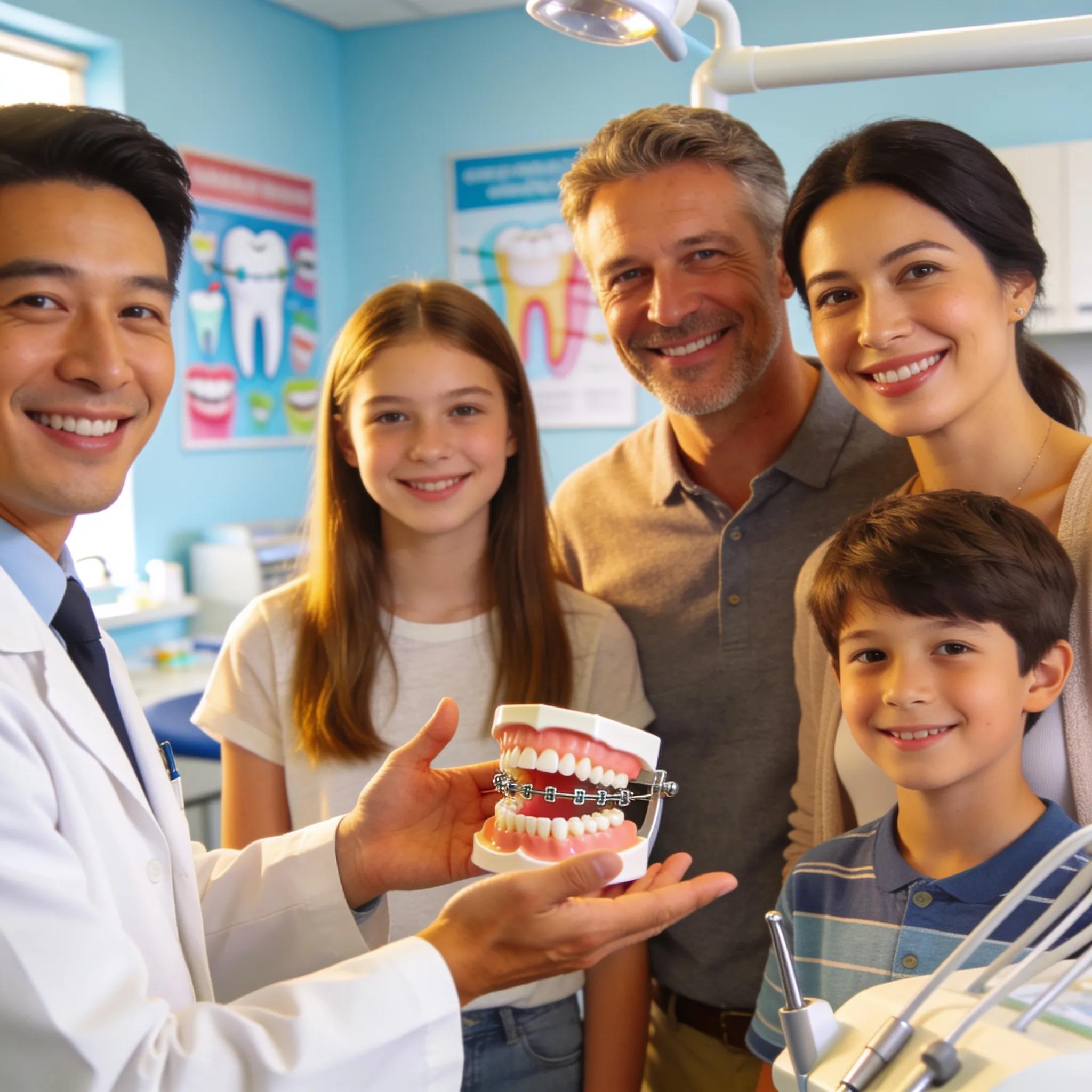
Orthodontic services in North Las Vegas enable individuals to achieve healthier smiles and enhanced confidence through various effective treatments. The region's clinics offer a range of orthodontic solutions, including braces, clear aligners like Invisalign, and personalized patient care plans. Many families seek orthodontic care to improve dental alignment issues and promote good oral health. Understanding the available treatments is crucial for making informed decisions about orthodontic care. This article examines the types of services available, benefits of specific treatment options, personalized approaches by local specialists, and how these treatments align with patients’ health and aesthetic goals.
Which Orthodontic Treatments Are Available in North Las Vegas?
North Las Vegas is home to a variety of orthodontic treatments designed to help patients achieve their ideal smiles. The most common options include metal braces, ceramic braces, and clear aligners. Each of these treatments has unique benefits tailored to different patient needs.
| Treatment Type | Description | Typical Age Group |
|---|---|---|
| Metal Braces | Durable and effective, these traditional braces use metal brackets and wires. | Suitable for all ages |
| Ceramic Braces | Clear or tooth-colored brackets for a more aesthetic option. | Ideal for teens and adults |
| Clear Aligners | A series of removable aligners for discreet treatment. | Preferred by adults and teens |
The diverse treatment options ensure that patients can choose care that works best for their lifestyle and dental needs. The decision between these treatments often depends on personal preferences regarding aesthetics, comfort, and budget.
What Are the Benefits of Invisalign Clear Aligners?
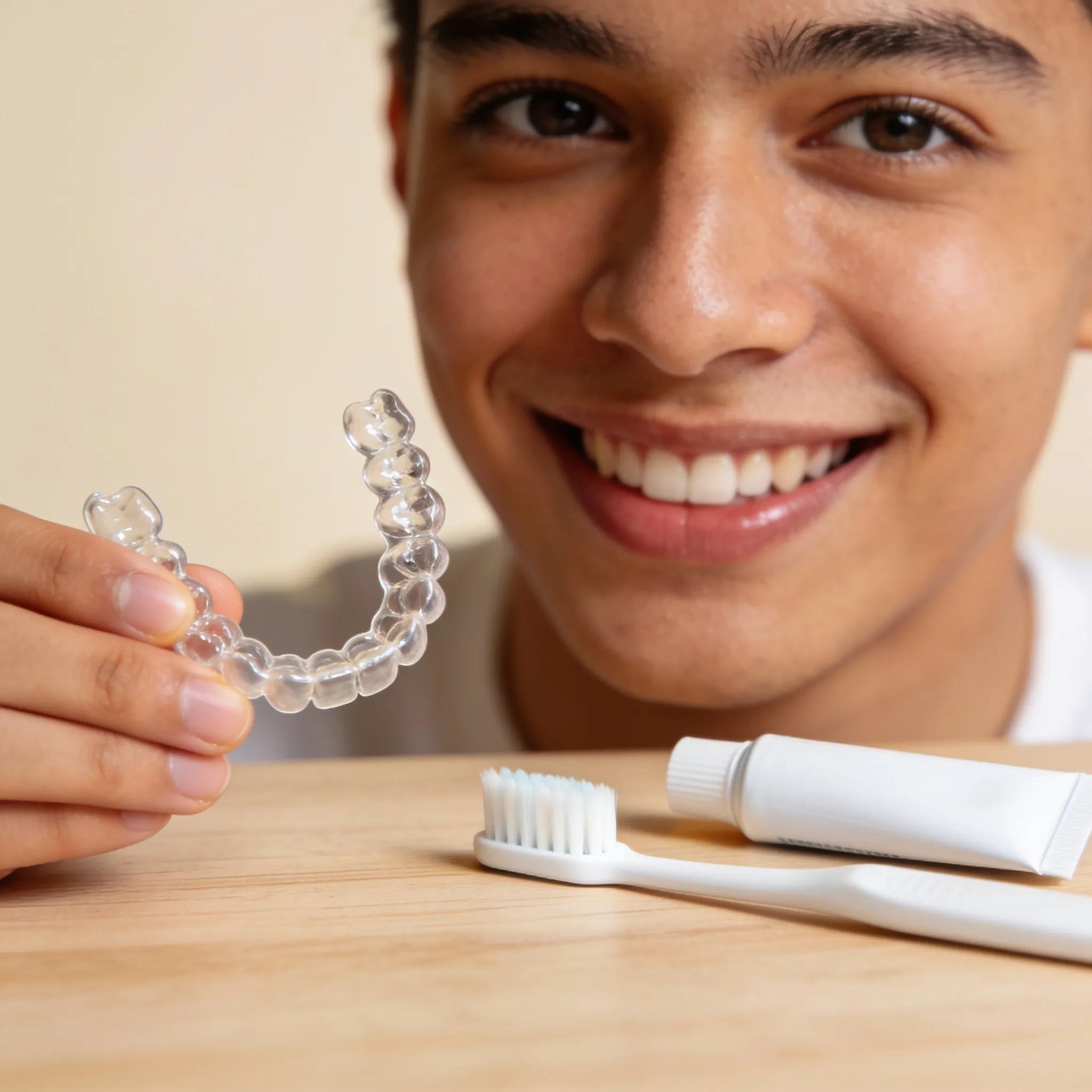
Invisalign clear aligners provide a modern and aesthetic alternative to traditional braces. They are virtually invisible, offering a discreet treatment option that allows patients to maintain a natural appearance during their orthodontic journey. Benefits of Invisalign aligners include:
- Aesthetic Appeal: Aligners are clear and less noticeable than traditional metal braces, making them popular among adults and teens.
- Comfort: Made from smooth plastic, Invisalign aligners are generally more comfortable than metal braces, which can sometimes irritate the cheeks and gums.
- Customization: Each set of aligners is custom-made from a digital impression of the patient’s teeth, ensuring a tailored fit.
- Convenience: Aligners are removable, allowing for easy cleaning and the freedom to consume food and drinks without restrictions.
Patients have reported high satisfaction with their outcomes and treatment experiences, often noting how the clear aligners fit seamlessly into their daily routines.
Invisalign Attachments: Patient Adaptability & Quality of Life
To evaluate patients’ adaptability to attachments and their quality of life during the use of Invisalign®. 25 patients (mean age: 32.3 years) beginning treatment with Invisalign using attachments were evaluated. A questionnaire containing questions regarding comfort, esthetic, and Ohip-14 was applied in 4 stages: the same-day attachments were installed 15, 45, and 90 days after installation. Intragroup comparison between the evaluated stages was performed using repeated measures ANOVA. The correlation between the number of attachments and discomfort was assessed using Pearson’s correlation test. The day the attachments were bonded was considered the most uncomfortable for patients to cheek adaptation (7.52 ± 2.87). There were no differences in aesthetic appearance and quality of life concerning the patient’s perception of the attachments during the first 3 months of treatment. On the installation day, the maxillary attachments were more uncomfortable for the lips, cheeks, and tongue (p= 0.043; 0.013 and 0.004, respectively), while the mandibular attachments were for the lips and tongue (p= 0.004 and 0.029, respectively). There was a positive correlation between anterior attachments and the tongue on the first day (p= 0.010). For posterior attachments, this correlation occurred with the lips, cheeks, and tongue on the installation day (p= 0.002; 0.039 and 0.031, respectively), remaining significant at all stages only regarding lips (T1:p= 0.022; T2:p= 0.032 and T3:p= 0.017). There was some discomfort in the cheeks when the attachments were bonded. However, after 15 days, there was an improvement in adaptability and quality of life. The number of anterior and posterior attachments was correlated with the lips, cheeks, and tongue discomfort at installation, and the number of posterior attachments, with lips discomfort during all stages evaluated. Orthodontists may guide their patients regarding adaptation to the attachments. Additionally, the orthodontist may base t The influence of attachments on the adaptability and quality of life of patients using Invisalign, 2025
How Do Metal and Ceramic Braces Compare?
Metal and ceramic braces serve similar functional purposes but cater to different aesthetic preferences and budgets. Key comparisons include:
- Cost: Metal braces are generally more affordable than ceramic braces, which can be pricier due to the materials used.
- Durability: Metal braces are highly durable and less likely to break, while ceramic braces can chip under pressure.
- Visibility: Ceramic braces blend in with the teeth, making them a preferred choice for those concerned about aesthetics during treatment; however, they are bulkier than metal options.
Choosing between metal and ceramic braces often comes down to personal preference, treatment goals, and budget considerations. Patients should consult with their orthodontist to make the best choice for their specific needs.
How Can Orthodontic Specialists in North Las Vegas Personalize Your Child’s Treatment?
Orthodontic specialists in North Las Vegas are equipped to personalize treatment plans for each child, considering various factors such as age, dental structure, and individual needs. Personalized treatment aims to provide effective and efficient orthodontic care.
What Qualifications Do North Las Vegas Orthodontists Have?
Orthodontists in North Las Vegas typically hold advanced degrees in dentistry and additional specialization in orthodontics. This training includes hands-on experience with various treatment modalities. Their expertise allows for informed decision-making and tailored treatment strategies to meet each patient's unique needs.
What Is the Process for an Orthodontic Consultation and Evaluation?
The initial consultation is a critical step in the orthodontic process. During this evaluation, the orthodontist assesses the patient's dental health through X-rays and examinations. This evaluation allows the orthodontist to determine the need for treatment, discuss potential options, and create a personalized care plan based on the patient's unique concerns and goals.
What Are Affordable Braces and Clear Aligner Options Near North Las Vegas?
Many families are concerned about the financial aspects of orthodontic treatment. Fortunately, several affordable options for braces and clear aligners are available in North Las Vegas.
How Do Treatment Costs Vary for Different Orthodontic Appliances?
Costs for orthodontic treatments can significantly vary based on the type of appliance used. Here's a comparison of typical price ranges for common treatment options:
| Treatment | Estimated Cost Range | Notes |
|---|---|---|
| Metal Braces | $3,000 - $7,000 | Affordable, durable option |
| Ceramic Braces | $4,000 - $8,000 | Aesthetic but pricier |
| Clear Aligners | $3,500 - $8,000 | Flexible and discreet |
These costs can fluctuate based on the specific treatment plan and complexity of care required.
Are There Payment Plans or Insurance Accepted for Orthodontic Care?
Many orthodontic providers in North Las Vegas offer flexible payment plans to help families manage the cost of treatment. Additionally, most accept various dental insurance plans, which may cover a portion of orthodontic services. Families are encouraged to inquire about available financial options and verify insurance benefits with their providers to maximize coverage.
How Does Orthodontic Treatment Improve Dental Health and Confidence?
Orthodontic treatment not only enhances the appearance of teeth but also significantly improves overall dental health and self-esteem. Proper alignment of teeth facilitates easier cleaning and reduces the risk of dental issues, such as cavities and gum disease.
What Are the Long-Term Benefits of Proper Teeth Alignment?
Proper alignment yields numerous long-term benefits, such as:
- Improved Oral Health: Easier cleaning reduces plaque buildup and lowers the risk of gum disease.
- Enhanced Bite Function: Correct alignment promotes a healthy bite, which can alleviate jaw pain and improve chewing efficiency.
- Increased Longevity: Well-aligned teeth are less prone to chipping and wear, leading to longer-lasting dental health.
Many individuals report feeling more confident in their appearance and social interactions after completing orthodontic treatment.
Predicting QoL Improvements Post-Orthodontic Treatment with AI
1. Digital orthodontic treatment has revolutionized clinical practice, yet predicting individual patient outcomes remains challenging. This retrospective study developed and validated machine learning algorithms to predict quality of life improvements following digital orthodontic treatment.2. Clinical data from 386 patients who underwent clear aligner therapy between January 2020 and December 2023 were analyzed. The dataset included demographic information, clinical parameters, imaging data, and standardized quality of life assessments using OHIP-14, IOTN, and VAS scales. Three machine learning algorithms—random forest, support vector machine, and neural network—were trained and evaluated using 70% training, 15% validation, and 15% test sets. Machine learning algorithms for predicting quality of life improvements after digital orthodontic treatment: a retrospective analysis, 2026
How Does Treatment Boost Children’s Self-Esteem and Social Confidence?
Children who undergo orthodontic treatment often experience marked improvements in self-esteem. Straightening teeth can positively impact their self-image and interactions with peers. Parents frequently notice their children are more willing to engage socially after completing treatment, reflecting enhanced confidence levels.
What Post-Treatment Care and Retainers Are Recommended in North Las Vegas?
Post-treatment care is essential for maintaining the results achieved through orthodontic treatments. Retainers play a crucial role in this phase of care, ensuring that teeth remain in their new positions after treatment.
Why Are Retainers Important After Braces or Invisalign?
Retainers are vital for prolonged success post-treatment as they help keep newly aligned teeth in place. Patients are guided on how long to wear their retainers and are monitored over time to ensure that teeth remain stable.
How Should Patients Maintain Oral Health After Orthodontic Treatment?
To maintain optimal oral health after completing orthodontic treatment, patients should continue regular dental check-ups and practice good hygiene. Recommended practices include brushing twice daily, flossing, and keeping up with dental cleanings to prevent any potential issues after the braces or aligners are removed.
How Do North Las Vegas Orthodontists Address Emergencies and Ongoing Support?
Dental emergencies can occur, and orthodontic clinics in North Las Vegas are prepared to handle them promptly. Understanding the services available for emergencies is essential for patient peace of mind.
What Services Are Available for Orthodontic Emergencies?
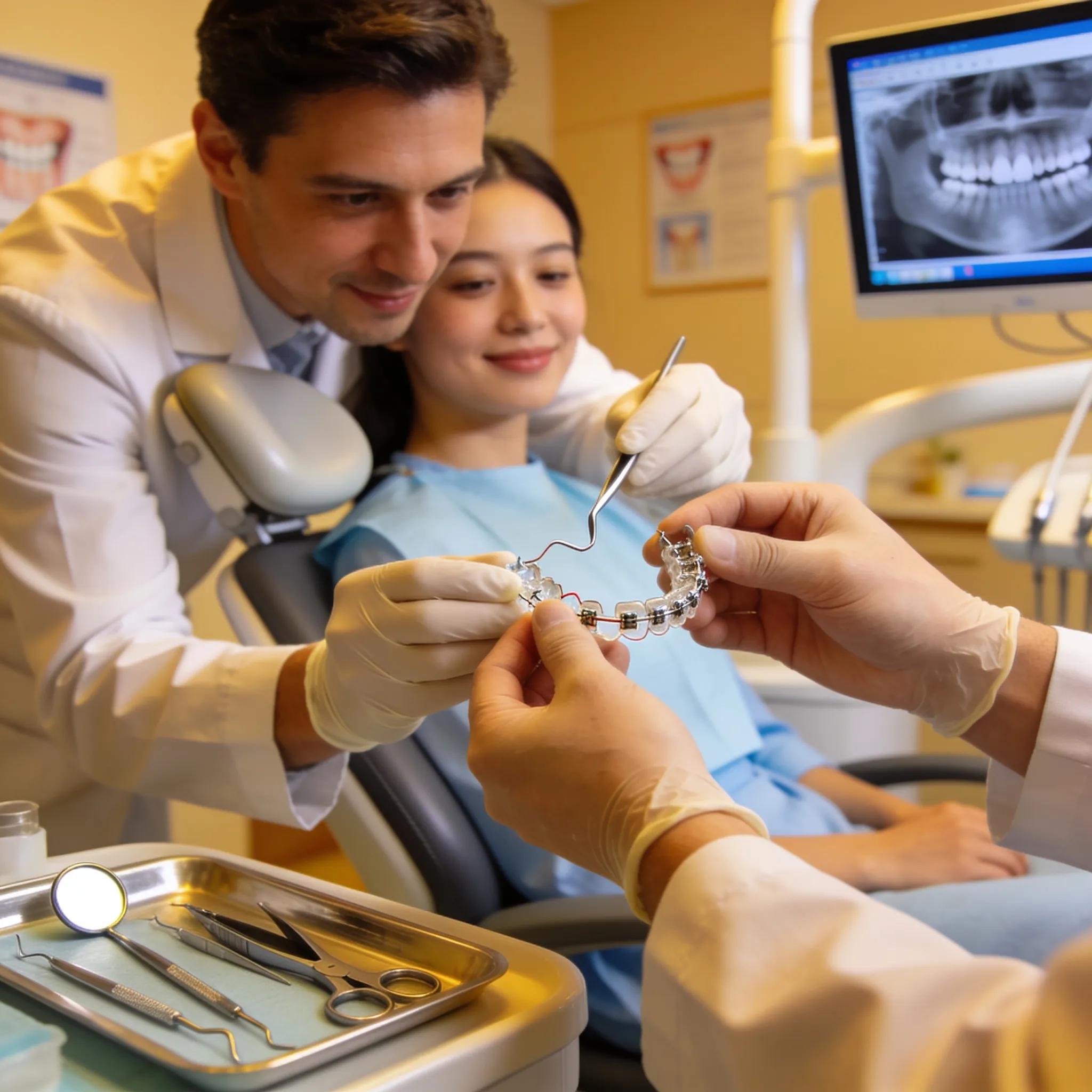
Orthodontic offices typically offer services for:
- Broken Braces: Immediate appointments to repair or replace broken components.
- Lost Retainers: Replacement services for lost or damaged retainers.
- Pain Management: Guidance on managing discomfort or emergencies during treatment.
These services are designed to provide quick, effective support, ensuring that patients remain on track with their treatment plans.
How Is Teleorthodontics Used for Remote Consultations and Adjustments?
Teleorthodontics has emerged as a modern solution, allowing patients to consult with their orthodontists remotely. Through virtual appointments, patients can receive check-ins, address concerns, and adjust treatment plans without the need for in-person visits. This approach supports ongoing care efficiently, enhances accessibility, and helps maintain continuity in treatment.