What to Expect at Your Child's First Dental Visit: A Parent's Guide

By Shadow Creek Children's Dentistry and Orthodontics, Shadow Creek Children's Dentistry and Orthodontics
Scheduling a child's first dental visit can feel daunting for parents, but understanding what to expect can help ease any tension. This comprehensive guide aims to provide insights on how to prepare your child, what will happen during the visit, and the significance of establishing early dental habits. Knowing these details not only helps in alleviating anxiety for both the parent and the child, but it also sets the foundation for positive experiences in pediatric dentistry.
The aim of this article is to navigate through the various aspects of your child's first dental appointment. Topics covered will include preparation tips, typical procedures, managing potential anxiety, and follow-up care. By familiarizing yourself with these points, you'll be better equipped to make the experience less stressful and more enjoyable for your little one.
Guide for Parents on Their Child's First Dental Visit
Preparation is key when it comes to your child's first dental visit. By understanding the process, parents can help reduce any anxiety that their children might have. A series of common concerns often arise, such as what to expect during the visit, how to prepare, and how to handle any potential fears. Addressing these will ensure both parents and children feel confident as they approach this important step in dental care.
Patient and Parent Preparation for Dental Visits
Preparatory information is one way of helping anxious children and their parents cope with a dental visit and treatment. In some instances, such as when discussing dental sedation and general anaesthesia, preparatory information is also important to help children and their parents make an informed choice and give valid consent. There are different ways of delivering preparatory information including explanatory leaflets, self-help guides, computer packages and enlisting the help of other professionals. The information provided and the method of delivery have to be tailored to the individual patient and parent both in terms of their level of understanding and their coping style. Patient and Parent Preparation, 2017
Preparation Tips:
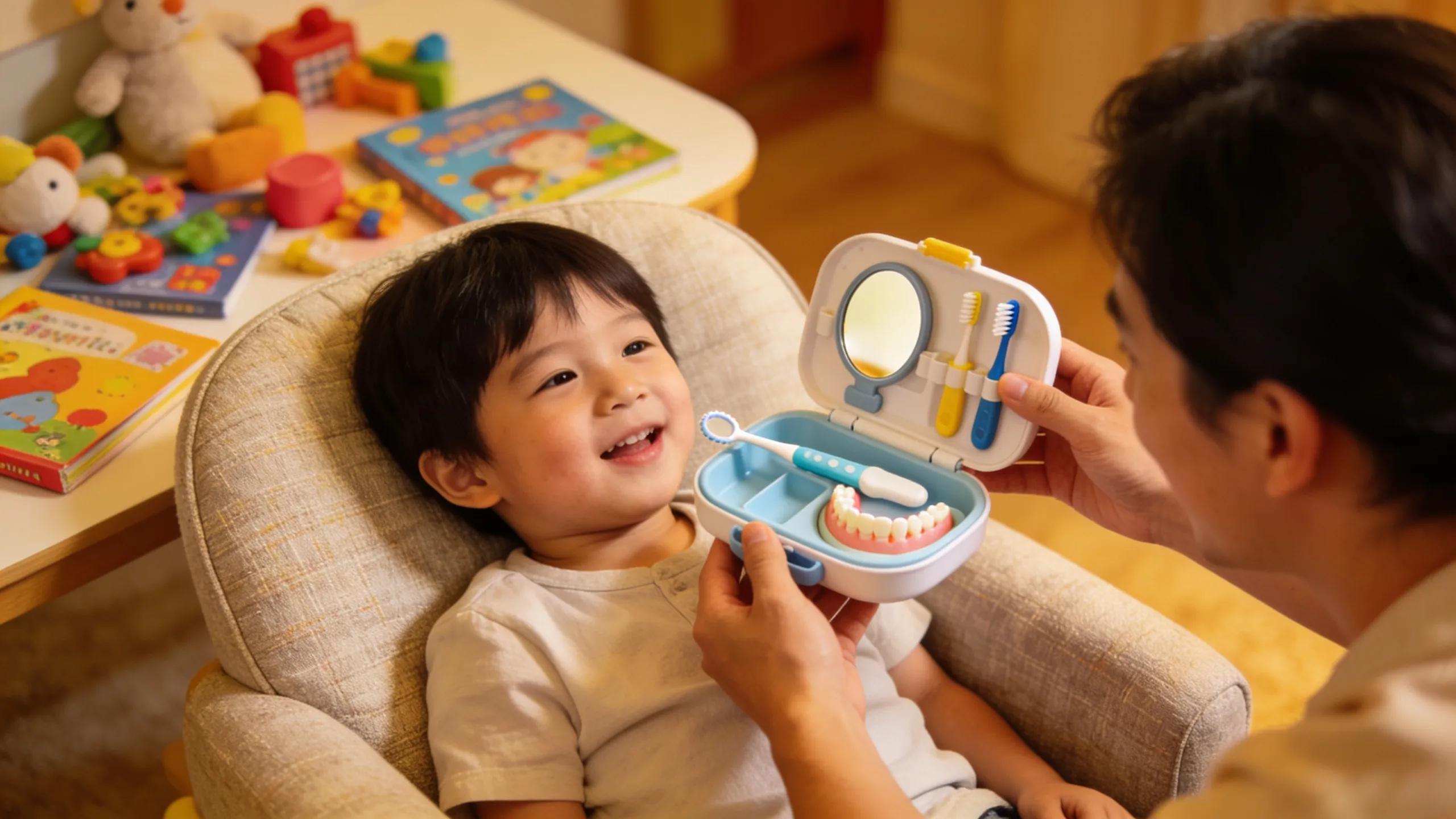
Here are essential tips to help prepare your child for their first dental visit:
- Use Positive Language: Talk about the visit in an encouraging way to build excitement rather than fear.
- Practice at Home: Role-play the experience at home to familiarize your child with what might happen.
- Bring Comfort Items: Allow your child to bring along a favorite toy or blanket to help ease their nerves.
What to Bring:
When preparing for your child's first dental appointment, ensure you bring the following:
- Identification and Insurance Cards: These help streamline the check-in process.
- List of Medications and Allergies: Providing this information is crucial for their safety.
- Questions for the Dentist: Write down any concerns you have to discuss during the visit.
Typical Procedures During the First Visit:
During your child's first dental visit, several procedures are typically conducted to ensure a comprehensive examination and a positive experience.
The dental team will usually first offer a warm welcome, followed by an initial tour of the office. This helps to create a friendly atmosphere that eases anxiety. Your child may then undergo a knee-to-knee exam, often used for infants, where the dentist will check for any issues while the child is comfortably positioned. A gentle cleaning and a fluoride treatment might also occur to promote dental health early on.
Children's dental care is a specialty that focuses on the unique needs of young patients. Shadow Creek Children's Dentistry and Orthodontics specializes in comprehensive pediatric dental care, offering gentle, educational, and child-friendly approaches that reduce anxiety and build positive experiences. Such methodologies emphasize the importance of early childhood dental examinations and preventive treatments.
Will X-Rays Be Taken?
Parents commonly wonder whether X-rays will be part of their child’s first visit. Typically, X-rays are not necessary for very young children unless there are specific concerns about their dental development. If X-rays are required, they will be performed to assess cavities and establish a baseline for future comparison.
Easing Anxiety During the Appointment:
Anxiety about visiting the dentist can often affect children. Pediatric dentists have strategies to help children feel more comfortable during their appointments. Techniques may include using comforting language and distractions such as toys or engaging with fun stories that can shift focus away from dental procedures. Positive reinforcement after the visit also contributes significantly to a child's future perceptions of dental care.
Managing Pediatric Dental Anxiety with Modern Strategies
Structured anxiety assessment combined with multimodal behavioral strategies enhances treatment outcomes and clinical efficiency in pediatric dentistry.The integration of emerging digital technologies, such as immersive distraction methods, represents a promising direction for modern anxiety management.AbstractBackground: Dental anxiety remains a prevalent and persistent challenge in pediatric dentistry, significantly affecting children’s cooperation, treatment outcomes, and long-term oral health behaviors. Despite advances in minimally invasive care, anxiety c
Dental anxiety in pediatric patients: contemporary assessment and multimodal management strategies, RA Cristea, 2026
Handling Tears or Resistance:
It's not uncommon for children to show apprehension during their first dentist visit. Important strategies for parents include remaining calm and grounded, which helps set a reassuring tone. Teaching deep breathing techniques can help children relax, and setting achievable goals during the visit can create a positive frame of reference for children.
After the Visit:

After the appointment, it's important to reinforce the positives experienced during the visit. Reward your child with something fun, such as a visit to a favorite park or a small gift, to celebrate their courage. Creating good associations helps in framing future visits in a positive light.
When Should My Child Have Their First Dental Checkup?
Ideally, your child should have their first dental checkup by the age of one or within six months after their first tooth appears. This early appointment allows the dentist to monitor the child’s dental health and provide parents with valuable information on caring for their child’s teeth.
What Pediatric Oral Health Milestones Guide the First Visit?
Several key milestones signify when it’s time to schedule that first dental visit. The eruption of the first tooth is a primary indicator. Additionally, regular cavity risk assessments should begin during this time, making it essential for parents and educators to collaborate.
Why Scheduling Early Visits Supports Preventive Dental Care
Scheduling early visits bolsters preventive dental care efforts. Early assessments allow for monitoring of both growth patterns and the development of cavities, providing a learning phase for parents. By instilling good habits early on, children can develop a lasting comfort with dental visits.
How Can Parents Prepare Their Child for the First Dental Exam?
Parents can take proactive steps to ease their child into dental visits:
- Use Positive Language: Frame the appointment as an exciting event.
- Familiarize with the Dentist: Meet with the dentist beforehand to establish trust.
- Plan Wisely: Schedule appointments at a time when your child is typically well-rested and less irritable.
What Are Effective Child Dental Visit Preparation Tips?
Here are further practical tips that can help ease your child’s transition to the dental chair:
- Use Familiar Objects: Bringing along a favorite toy can provide comfort.
- Provide Brief Explanations: Keep discussions short and to the point to avoid overwhelming your child.
- Avoid Overwhelming Details: Discussing what to expect without going into too much detail can alleviate anxiety.
How to Calm Kids’ Dentist Anxiety Before and During the Visit
Reducing dentist anxiety can significantly impact the child's experience. Suggestions include using neutral language, telling positive stories about dental visits, and engaging in distraction techniques like playing games or reading books while waiting. For urgent concerns or after-hours needs, knowing about emergency dental care options is vital.
What Happens During a Pediatric Dental Exam? Step-by-Step Guide
Understanding what occurs during a pediatric dental exam can ease fears:
- Welcome and Initial Assessment: The child is greeted warmly and introduced to the examination tools.
- Detailed Cleaning and Checkup Process: This involves removing plaque and discussing proper hygiene routines.
- Discussion of Dental Health Strategies: The dentist talks with parents about preventive steps and appropriate follow-up.
Which Preventive Care Services Are Included in the Exam?
Preventive care services provided during checkups include routine dental exams, fluoride treatments, and recommendations for sealants when appropriate. These services are essential for maintaining optimal oral health at a young age.
How Do Pediatric Dentists Perform Orthodontic Screenings at Early Ages?
Pediatric dentists can evaluate your child for orthodontic needs as early as the first dental visit. These screenings typically focus on identifying potential alignment issues and planning timely interventions if necessary. Benefits of early screening can include proper growth monitoring and timely referrals to orthodontics if required.
What Should Parents Expect After the First Dental Visit? Follow-up and Care Tips
Post-visit, parents should be prepared to supervise their child’s oral hygiene and continue encouraging healthy habits. It’s important to communicate any positives from the visit to reinforce a sense of accomplishment and relaxation around dental care.
How to Maintain and Monitor Your Child’s Oral Health at Home
Maintaining proper oral health at home is crucial. Implementation of daily hygiene practices such as brushing twice a day with fluoride toothpaste and limiting sugary snacks can significantly contribute to your child's dental wellness.
When and Why to Schedule Ongoing Pediatric Dental Appointments
Regular pediatric dental appointments are essential as they help sustain oral health and track developmental milestones. Guidelines recommend visiting the dentist every six months to ensure a consistent evaluation of dental health and to address any arising issues promptly. If you have questions or need to schedule an appointment, their contact page provides all necessary information.