Why Your 7-Year-Old Needs an Orthodontic Evaluation (Even with Straight Teeth)
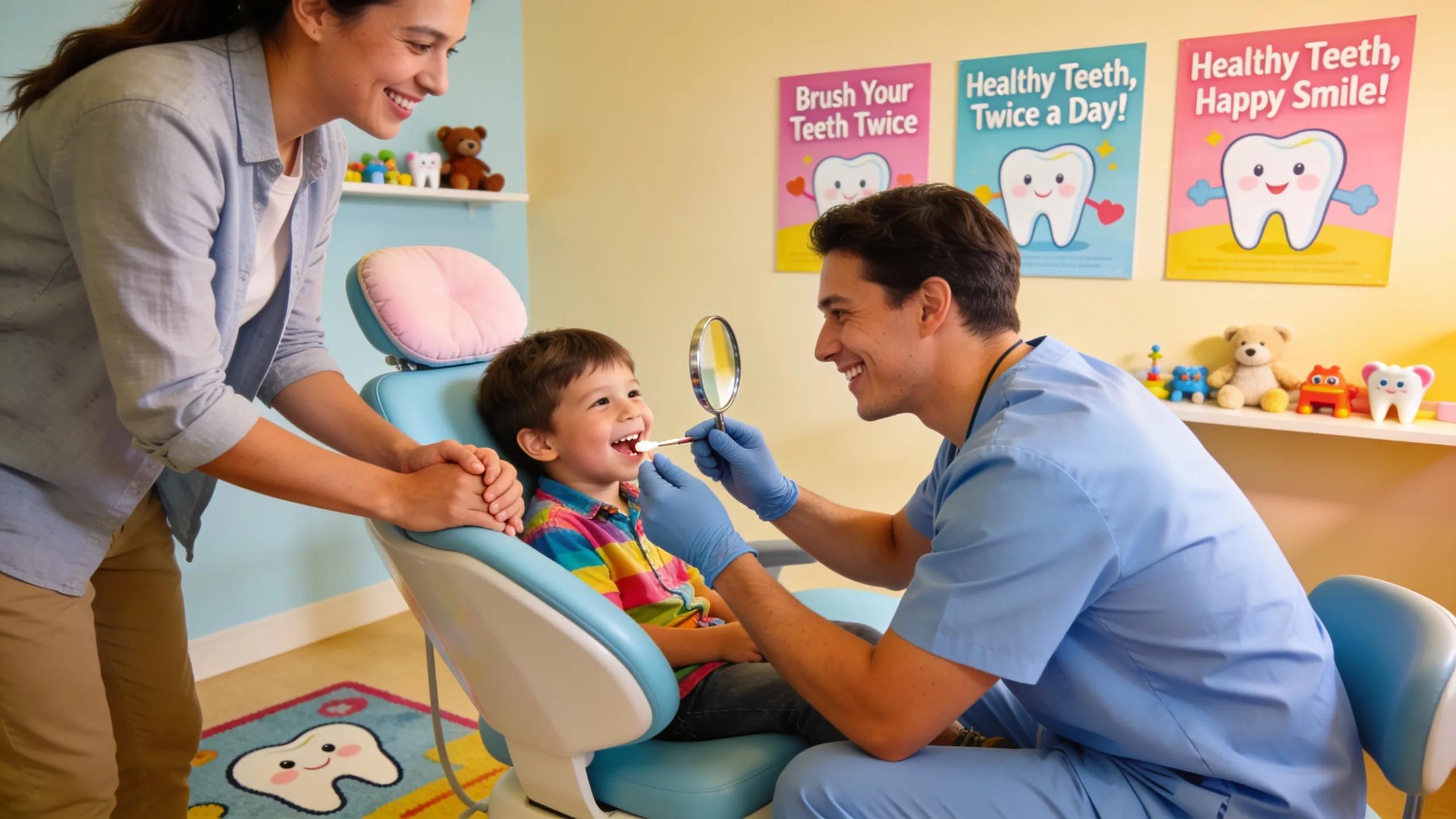
By Shadow Creek Children's Dentistry and Orthodontics, Shadow Creek Children's Dentistry and Orthodontics
Ensuring the long-term dental health of children often begins with an orthodontic evaluation. Many parents may overlook this step, especially if their child’s teeth appear straight. However, undergoing an orthodontic assessment by age seven can unveil potential issues that may not be apparent, setting the stage for improved oral health and a more confident smile. This article aims to shed light on the importance of early evaluations, the benefits thereof, and what parents can expect during the assessment process. We will cover key topics including the significance of early orthodontic care, signs that indicate the need for evaluation, and the specific advantages associated with Phase 1 orthodontics. By understanding these aspects, parents can make informed decisions about their child's orthodontic journey.
Importance of Early Orthodontic Care
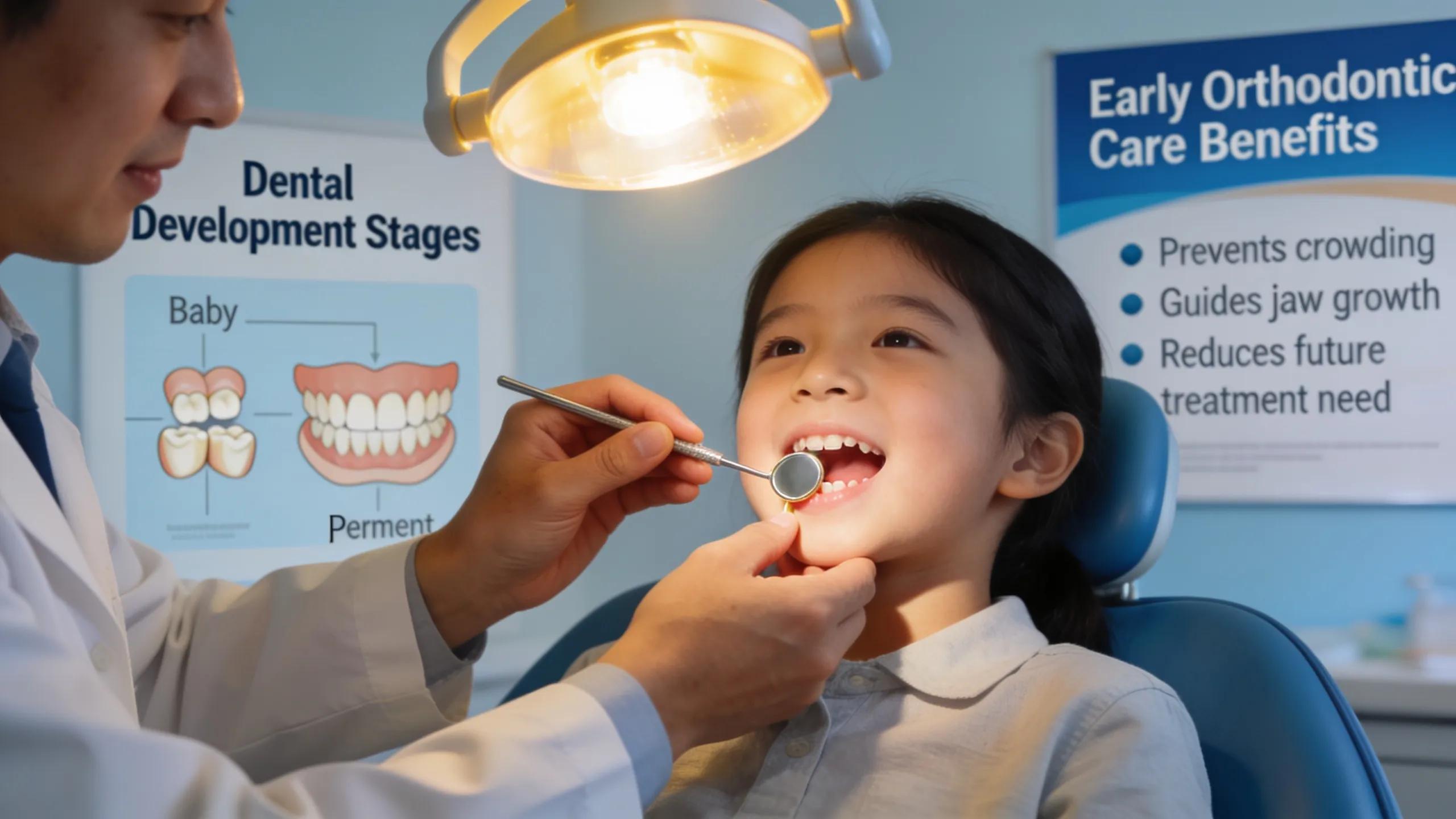
Early orthodontic evaluations are vital for monitoring developmental changes and intervening as necessary. By assessing dental and jaw development, orthodontists can identify potential problems early, facilitating a proactive approach to treatment. This early intervention can not only simplify future orthodontic treatments but also ensure the child continues to develop with optimal oral health. During these formative years, which typically begin around age seven, critical changes in jaw growth and tooth alignment occur, making it an essential period for assessment.
Benefits of Early Evaluation
Conducting an orthodontic evaluation when your child is around seven offers multiple benefits:
- Improved Oral Health: Early detection of alignment issues can lead to timely intervention, reducing the risk of dental problems later on.
- Shorter Treatment Times: Addressing issues before they escalate often results in more straightforward and expedient treatment plans.
- Boosted Self-Esteem: Children who receive early orthodontic care are often more confident in their smiles, promoting positive self-image.
At Shadow Creek Children's Dentistry and Orthodontics, we emphasize the significance of these evaluations, providing tailored insights based on individual assessments.
Signs to Seek an Evaluation
Certain signs may indicate that it's time for an orthodontic evaluation. Parents should monitor their child's dental habits and overall oral health. Notable symptoms include:
- Difficulty Biting or Chewing: Children who struggle with these basic functions may have misaligned teeth or jaw issues that need attention.
- Thumb-Sucking Persistence: Prolonged thumb-sucking can impact dental development and may require intervention.
- Crowding or Spacing Issues: If teeth are too close together or spaced apart, this could lead to further complications that an orthodontist can address.
Early recognition of these signs and seeking the appropriate evaluation can prevent more extensive dental challenges in the future. For personalized guidance and to schedule an assessment, consider reaching out to our team.
Why an Orthodontic Check is Necessary Even with Straight Teeth
It may seem unnecessary to seek an evaluation for children with straight teeth; however, hidden issues could be present. Orthodontic checks assess not only the alignment of teeth but also the development of the jaw. An evaluation can help identify:
- Jaw Growth Patterns: Understanding how a child's jaw is developing can help prevent complications that could arise later.
- Hidden Dental Issues: Certain underlying developmental problems might not be immediately visible but can be detected through a professional assessment.
- Prevention of Future Problems: Early evaluations can set the groundwork for preventive care, reducing the need for more extensive treatments down the road.
Recognizing the difference between perceived straightness and actual dental health emphasizes the need for regular evaluations. For comprehensive pediatric dental and orthodontic services, Shadow Creek Children's Dentistry and Orthodontics is a trusted resource.
What Is a Pediatric Orthodontic Evaluation and When Should It Start?
A pediatric orthodontic evaluation is a comprehensive assessment to determine the alignment of teeth and jaw growth. According to experts, it's crucial to commence these evaluations around age seven, when significant dental developments take place. This timing allows orthodontists to address issues before they worsen, fostering a preventative approach to orthodontic care.
Why Is Age Seven Ideal for an Orthodontic Screening?
The age of seven is significant due to several factors:
- Critical Dental Developments: Major shifts in dental structure occur around this age, making it an optimal time for assessments.
- Proactive Management: Early detection enables timely intervention and can result in more successful treatment outcomes.
Understanding these elements highlights why scheduling an evaluation around this age is critical for your child’s dental trajectory.
How Does the Evaluation Assess Jaw Growth and Teeth Development?
A thorough assessment will include several techniques for evaluating jaw growth and the alignment of teeth. Orthodontists employ various methods such as:
- X-rays: These images help visualize the positioning and growth patterns of both teeth and jaws.
- Clinical Exams: Hands-on evaluations allow orthodontists to assess physical aspects of dental development.
- Growth Assessment: Measurements taken during the visit will provide insights into the growth stage of your child's jaw and teeth.
Evaluating these factors lays the groundwork for identifying any potential orthodontic issues early on, ensuring appropriate treatment plans can be devised.
What Are the Key Benefits of Phase 1 Orthodontics for 7-Year-Olds?

Phase 1 orthodontics offers significant advantages by targeting specific issues early. This type of treatment (often initiated before all permanent teeth have erupted) provides:
- Support for Healthy Jaw Development: Interceptive treatments during Phase 1 can direct jaw growth in a favorable direction.
- Improved Long-Term Oral Health Outcomes: Early intervention often leads to easier and shorter subsequent treatments.
At Shadow Creek Children's Dentistry and Orthodontics, parents can expect comprehensive solutions tailored to each child's unique needs.
How Does Early Interceptive Treatment Support Healthy Jaw Development?
Early interceptive treatment is designed to address functional issues at a young age, setting the stage for improved jaw growth. This approach can reduce the need for more invasive treatments later. For example, guiding teeth into favorable positions before all permanent teeth emerge can significantly influence how they fit together.
Phase I Orthodontic Treatment in Mixed Dentition
The mixed dentition is the developmental period after the permanent first molars and incisors have erupted, and before the remaining deciduous teeth are lost. Phase I treatment is usually done early in this period. Mixed dentition treatment goals often focus on skeletal rather than dental correction. To design a treatment plan, the clinician must understand the growth and development patterns, and the known effects of the chosen treatment modality.
One phase versus two phase treatment in mixed dentition: a critical review, VS Kattimani, 2015
In What Ways Can Phase 1 Braces Improve Long-Term Oral Health Outcomes?
Phase 1 braces can deter significant future complications. By correcting misalignment early, children can avoid more extensive issues later. Statistical evidence indicates that early treatment can drastically reduce the need for surgical options and prolonged orthodontic procedures, particularly in cases of severe misalignment.
What Signs Indicate Your Child May Need Early Orthodontic Intervention?
Certain behaviors and physical signs may highlight the need for early orthodontic intervention. Parents should observe for:
- Mouth Breathing: This can indicate structural concerns in the teeth or jaw.
- Speech Impediments: Misalignments often contribute to pronunciation challenges.
- Frequent Headaches: Underlying jaw issues may manifest as migraines or consistent headaches.
Identifying these symptoms can guide timely evaluations and interventions, ensuring optimal dental health for your child. If you suspect your child may need intervention, consider exploring emergency dental care options or scheduling a consultation.
Which Common Symptoms Should Parents Watch For at Age Seven?
Among the most usual indicators that warrant an orthodontic check include:
- Persistent Thumb Sucking: Remaining consistent at age seven can lead to misaligned teeth.
- Jaw Discomfort: Any signs of discomfort during chewing or jaw movement should be addressed promptly.
- Overlapping Teeth: Teeth that don't meet properly could suggest crookedness or structural issues.
Addressing these symptoms early is crucial to maintaining positive dental outcomes.
When Should You Schedule an Orthodontic Evaluation Based on These Signs?
Evaluations should be scheduled immediately when any concerning symptoms are noted. The earlier a child is seen, the better the chance of avoiding more complex treatments later. Parents are encouraged to consult with orthodontists if any of the above signs are observed, ensuring proactive management of their child’s dental health.
What to Expect During a Pediatric Orthodontic Evaluation Appointment
Understanding the process of a pediatric orthodontic evaluation can help alleviate concerns for both children and parents. During the appointment, expect:
- Initial Assessment: The orthodontist will examine the child's mouth and take any necessary photographs or X-rays.
- Discussion of Findings: Parents will be informed about any issues and proposed treatment options.
- Treatment Plan Development: If necessary, a customized treatment plan will be outlined, detailing potential phases of care.
This thorough approach aims to empower parents with knowledge and prepare children for the evaluation process.
How Do Orthodontists Assess Your Child’s Oral Health and Jaw Growth?
Orthodontists utilize a variety of methods to assess the health of a child's teeth and jaws. Techniques may include:
- Clinical Observations: Examining the teeth for alignment and wear patterns.
- Growth Monitoring: Tracking how a child's jaw is developing over time.
These methods help develop a comprehensive view of your child's dental structure, guiding treatment planning.
How Are Parents Involved in Treatment Planning and Educational Guidance?
Parental involvement is crucial in fostering successful orthodontic outcomes. Orthodontists encourage parents to:
- Participate in Discussions: Engage actively in understanding the treatment plan.
- Follow Guidelines: Adhere to care instructions provided by orthodontic specialists to optimize results.
Through collaboration, parents can help ensure their child's orthodontic journey is successful.
How Can Parents Support Their Child’s Early Orthodontic Care Journey?
Parents play a pivotal role in their child's orthodontic care. Fostering an environment conducive to their child’s dental health can involve:
- Encouraging Good Oral Hygiene: Instilling habits such as brushing and flossing can significantly influence the success of orthodontic treatment.
- Providing Nutritional Guidance: Making dietary choices that promote healthy teeth can enhance overall dental outcomes.
- Engaging in Open Communication: Keeping an open dialog about treatment, experiences, and anxieties can help children feel supported throughout their journey.
What Oral Health Best Practices Promote Successful Orthodontic Outcomes?
To promote successful orthodontic results, consider implementing the following practices:
- Regular Brushing: Ensure your child brushes at least twice daily using fluoride toothpaste.
- Flossing: Introduce flossing as a daily habit to prevent plaque buildup around braces or retainers.
- Balanced Diet: Limit sugary snacks that lead to cavities and promote calcium-rich foods for strong teeth.
These practices play a vital role in the success of orthodontic treatments, providing a foundation for long-term oral health.
How Does Early Orthodontic Intervention Boost Confidence and Smiles?
Early orthodontic intervention can significantly enhance a child's self-esteem. When children are proactive about their dental health, they may also experience psychological benefits such as improved confidence in social situations and less anxiety concerning their appearance. Positive self-image during formative years is critical, contributing to both emotional health and social interactions.
Understanding the vital role of orthodontic evaluations at a young age can empower parents to take proactive steps towards ensuring their child's dental success, ultimately promoting healthy smiles for years to come.