Phase 1 Orthodontics: Why the American Association of Orthodontists Recommends an Age 7 Evaluation for Early Child Orthodontic Care

By Shadow Creek Children's Dentistry and Orthodontics, Shadow Creek Children's Dentistry and Orthodontics
Early orthodontic evaluation is a crucial step in ensuring your child's dental health. The American Association of Orthodontists (AAO) advises that children receive their first orthodontic evaluation by age seven. This early assessment can identify potential issues with jaw growth and tooth alignment, allowing for timely intervention. Phase 1 orthodontics, aimed at children, focuses on interceptive treatments designed to help catch and correct developmental problems at their earliest stages. In this article, we'll explore the importance of these early evaluations, the specific benefits they offer, and how parents can recognize when their child might need such an assessment. If you have questions about your child's specific needs, you can "contact our office to schedule an initial consultation. We will also cover the types of treatments available, the role of specialists, and how parents can prepare for this crucial appointment.
What is Phase 1 Orthodontics and How Does It Benefit Children?
Phase 1 orthodontics encompasses early intervention approaches that aim to address developing dental issues in young children. By initiating treatment around age seven, orthodontic specialists focus on guiding the growth of a child's jaw and teeth as they develop. This proactive treatment can lead to a healthier bite, proper alignment, and can help prevent more severe issues later in life. Moreover, this early stage of orthodontics also allows for a more straightforward treatment process that is often less complex compared to later interventions.
Research underscores how these early clinical approaches significantly contribute to long-term dental health by optimizing the development of a child's mouth.
Interceptive Orthodontics: Benefits for Early Mixed Dentition Interceptive orthodontic treatment in early mixed dentition has the objective of allowing a more favorable arch development and a consequent balanced occlusion. Severe crowding associated with lower canine premature resorption: Interceptive treatment with clear aligners—A pilot study, 2024
The team at "Shadow Creek Children's Dentistry and Orthodontics" emphasizes the importance of early evaluations in their practice, aiming to identify problems before they become more serious.
What Are the Key Goals of Phase 1 Orthodontic Treatment?
The primary objectives of Phase 1 treatment include:
- Support Healthy Jaw Development: By guiding the jaw's growth, orthodontists can help ensure that the teeth align correctly as they emerge.
- Prevent Future Dental Issues: Addressing misalignments early can reduce the risk of more complicated dental problems in adulthood, such as jaw pain or uneven wear on teeth.
- Improve Long-Term Oral Health Outcomes: Early intervention not only promotes immediate dental health but also lays a strong foundation for a healthier mouth in the future.
How Does Early Orthodontic Treatment Improve Dental Health Outcomes?
Early orthodontic interventions significantly enhance dental health by correcting misalignments before permanent teeth fully develop. This timely approach can:
- Correct issues such as overcrowding, which can lead to tooth decay if left unresolved.
- Decrease the likelihood of needing extensive treatments, such as tooth extractions or surgery, as the child grows.
- Instill confidence in children by fostering positive self-esteem through improved aesthetics.
Why Does the American Association of Orthodontists Recommend an Orthodontic Evaluation by Age 7?
The AAO strongly recommends that children have an orthodontic evaluation around age seven because this age often marks a critical period for dental development. At this stage, the first molars and incisors typically erupt, offering a clearer view of how teeth and jaws are developing.
What Are the Developmental Signs Experts Monitor at Age 7?
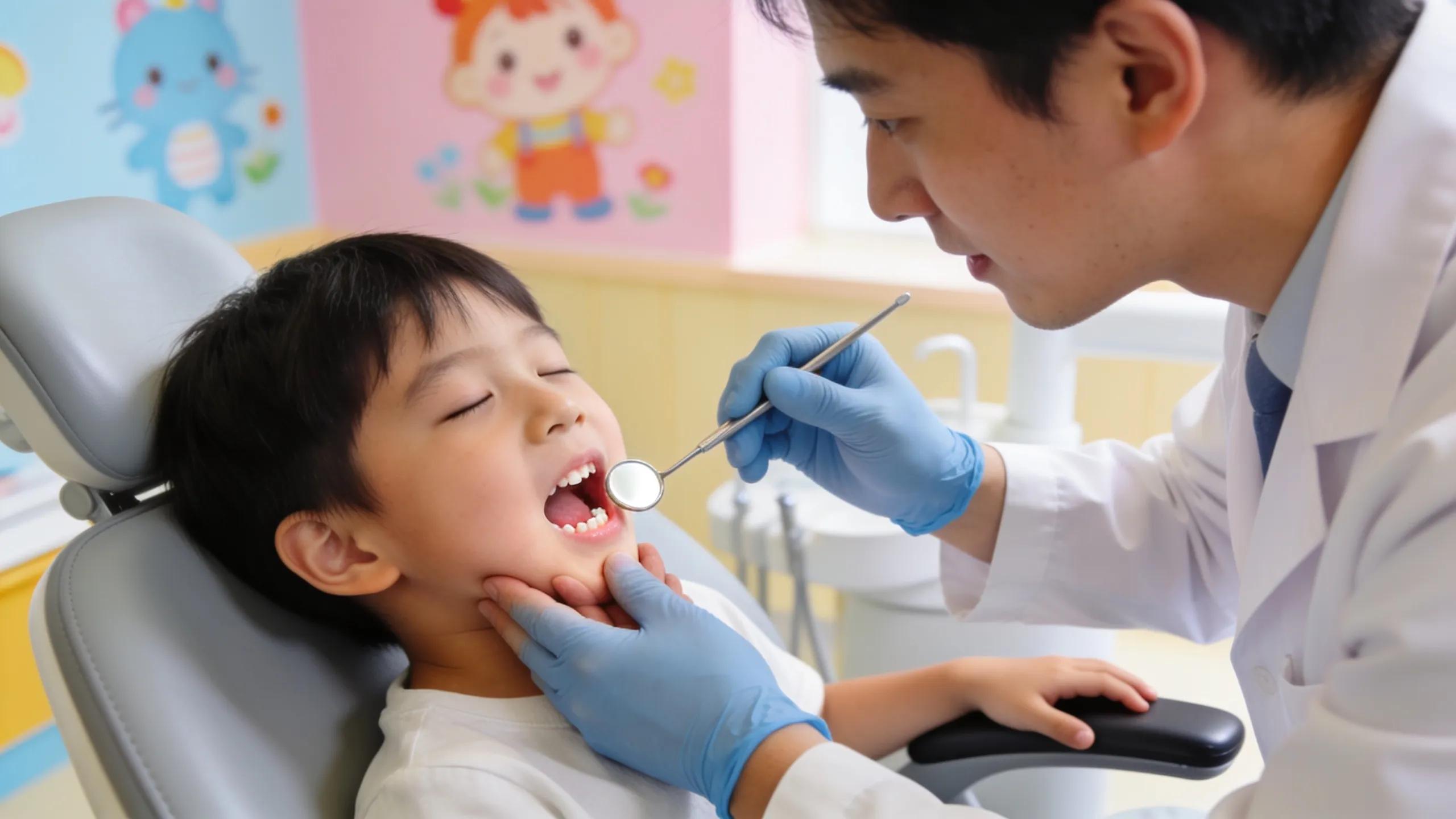
Orthodontists look for several key signs during an evaluation:
- Crowding of Teeth: Presence of overlapping or tightly packed teeth can indicate potential issues.
- Jaw Growth Discrepancies: Noticeable differences in the upper and lower jaw's alignment may lead to bite problems.
- Spacing Issues: Gaps between teeth can also suggest that the teeth are not growing correctly.
How Does Early Evaluation Help Prevent Complex Orthodontic Issues?
Early evaluations can uncover and mitigate complexities before they escalate. By understanding a child's individual dental development, orthodontists can tailor interventions that potentially avoid future orthodontic surgeries or complicated braces procedures. This proactive approach allows for timely intervention, which can save significant time and resources in the long run.
Clinical evidence demonstrates that addressing specific developmental concerns like skeletal discrepancies early can lead to more predictable and favorable growth outcomes.
Early Class III Malocclusion Treatment: Improving Growth Outcomes The orthopaedic-interceptive treatment for Class III malocclusion intends to provide a potential improvement of the growth response so that significant results can be achieved quickly. Class III malocclusions in deciduous or early mixed dentition: an early orthopaedic treatment, 2023
How Can Parents Recognize If Their Child Needs an Early Orthodontic Evaluation?
Identifying the need for an orthodontic evaluation can be straightforward if parents know what to look for.
What Are Common Indicators of Malocclusion or Jaw Alignment Concerns?
Look for these indicators that may suggest a malocclusion or alignment issue:
- Difficulty Chewing or Biting: If a child struggles with these basic functions, it may signal alignment issues.
- Speech Difficulties: Difficulty pronouncing certain sounds might relate to jaw or tooth placement.
- Mouth Breathing: This can indicate issues with the way teeth or jaw are aligned, potentially leading to other health issues.
When Should Parents Schedule a Visit to Shadow Creek Children's Dentistry and Orthodontics?
The best time for an initial evaluation is around age seven, as recommended by the AAO. Parents should also consider scheduling an appointment if they notice any developmental concerns such as those mentioned above. Our practice also provides "restorative care" for patients who require additional support beyond standard orthodontic adjustments.
What Types of Interceptive Orthodontic Treatments Are Used in Phase 1 Care?
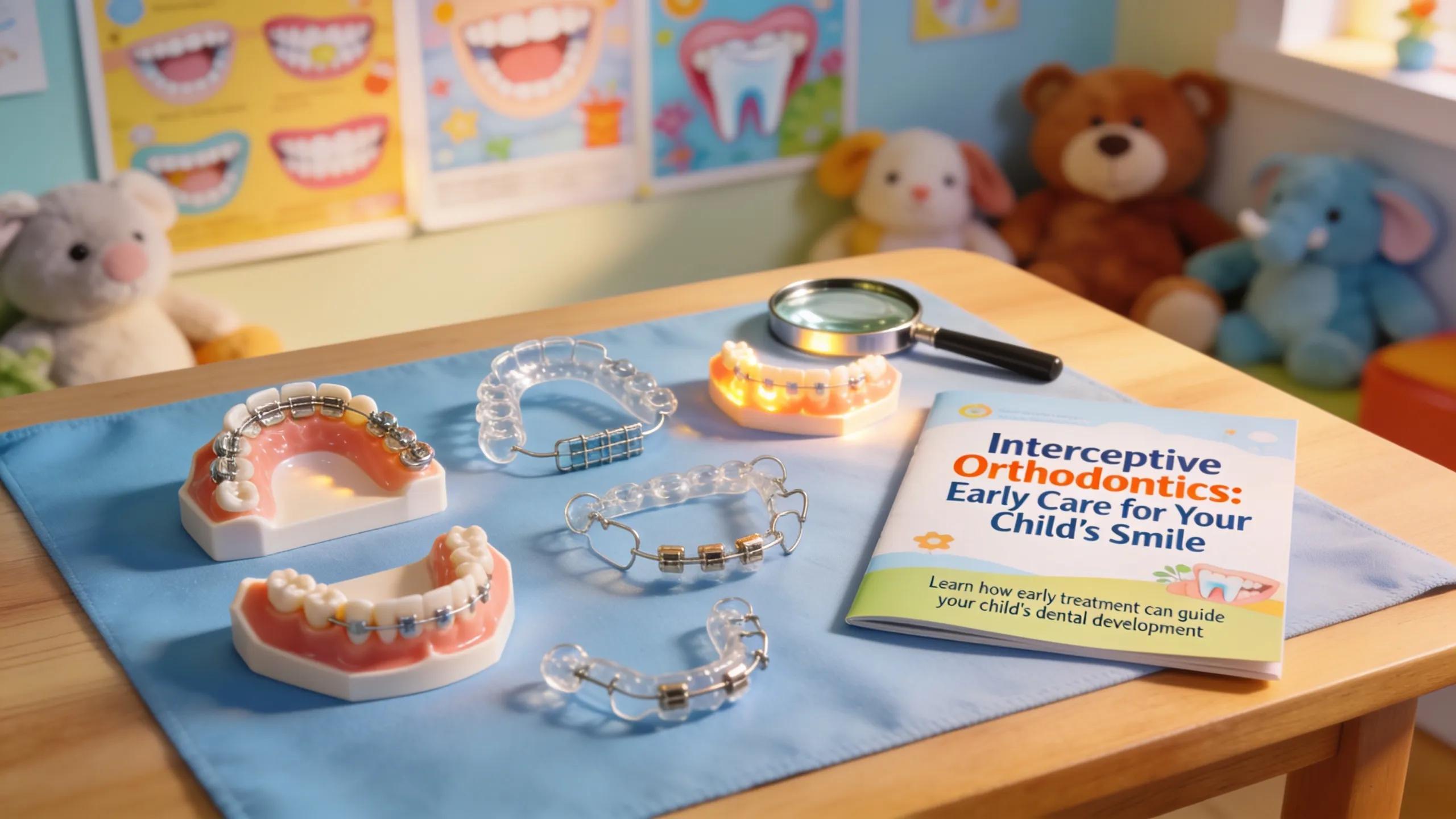
Interceptive orthodontics involves a variety of treatments aimed at correcting and guiding the growth of teeth and jaws. Some common methods include:
- Early Expanders: These devices help widen the upper jaw to create more space for teeth.
- Limited Braces: Sometimes used to straighten specific teeth before full orthodontic treatment.
- Guidance Appliances: Devices that guide teeth into a more favorable position as they grow.
These treatments are essential in preparing the dental structure for future alignment, ensuring a smoother transition into adolescence when most permanent teeth arrive.
How Do Growth Modification Techniques Correct Jaw Discrepancies?
Growth modification techniques are crucial in managing jaw growth for better alignment. By utilizing various appliances, orthodontists can encourage the jaw to develop in a way that mitigates issues seen later. Growth modification can help match the size of the upper jaw to the lower jaw, alleviating challenges like overbites and underbites.
What Role Do Space Maintainers and Braces Play in Early Orthodontic Intervention?
Space maintainers and braces serve important roles in managing the dental alignment of children. These devices ensure that there is adequate space for the permanent teeth to erupt:
- Space Maintainers: These appliances keep space available when a primary tooth is lost too early, thus preventing adjacent teeth from shifting.
- Braces: Used when necessary to start aligning teeth sooner, braces can help chart a course for proper eruption of permanent teeth.
Together, these interventions contribute significantly to a child’s dental health and comfort, encouraging better outcomes down the line.
What Are the Long-Term Benefits of Early Orthodontic Treatment on a Child’s Smile and Confidence?
Initiating orthodontic care at a younger age can provide children with a variety of benefits, both structurally and psychologically.
How Does Early Treatment Support Healthy Jaw and Facial Development?
By enabling orthodontists to proactively address alignment issues, children experience healthier jaw and facial development. This attention to foundational growth can lead to better functionality and aesthetics, including a more harmonious facial profile.
In What Ways Does Early Intervention Enhance a Child’s Social Confidence?
Children who receive early orthodontic treatment often exhibit increased self-esteem and social confidence. A confident child is likely to engage more with peers, leading to better social interactions and a more positive self-image.
How Can Parents Schedule and Prepare for an Age 7 Orthodontic Evaluation at Shadow Creek?
Preparing for an orthodontic evaluation can feel overwhelming, but understanding what to expect can ease any anxiety associated with the visit.
What Should Families Expect During the Initial Orthodontic Consultation?
During the initial consultation, parents can expect the orthodontist to perform a thorough examination of the child's teeth and jaws. This examination might include taking photographs, x-rays, and possibly impressions of the teeth. Based on this comprehensive assessment, the specialist will provide recommendations tailored to the child's specific needs.
How Do Shadow Creek’s Pediatric Specialists Tailor Care for North Las Vegas Families?
At Shadow Creek Children's Dentistry and Orthodontics, specialists are dedicated to providing personalized care that considers each child’s unique development timeline and family dynamics, making every visit informative and comfortable. This tailored approach ensures that families not only understand the need for early intervention but also see the full range of benefits it affords.