
Grinding Teeth At Night (Bruxism) In Kids: Causes, Signs, And When To Treat
Published on Mar 27, 2026 | 6 minute read
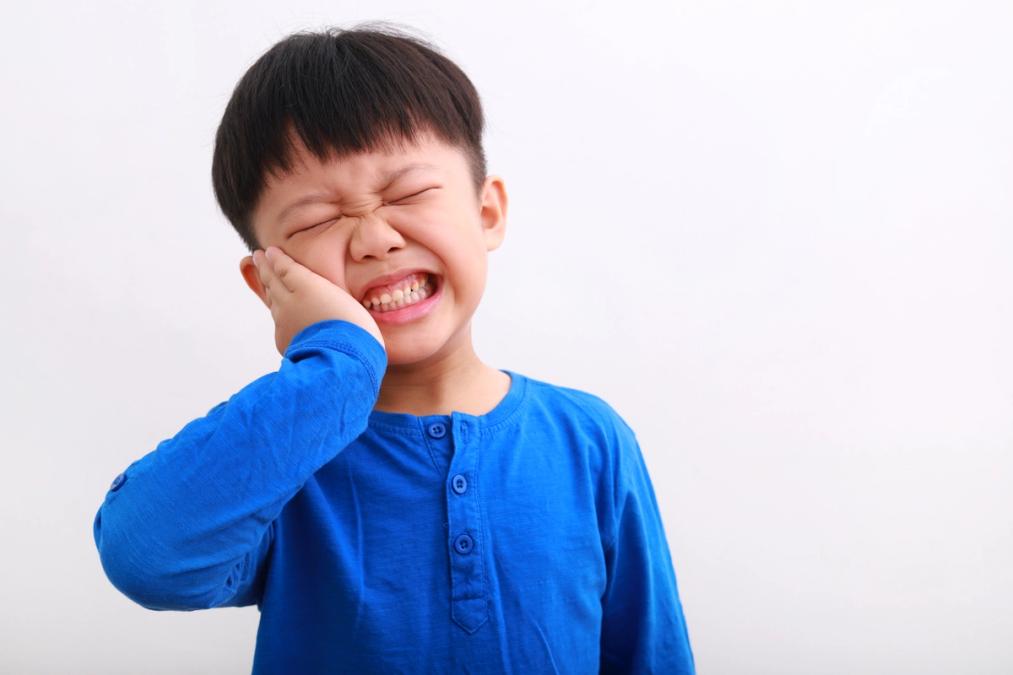
That Nighttime “Scraping” Sound Can Be Surprising
If you’ve ever heard your child grinding their teeth at night, it can be alarming. The sound alone is enough to make any parent worry about tooth damage. The comforting news is that bruxism (teeth grinding) is common in children, and many kids outgrow it—especially during certain growth stages. However, some children grind hard enough to cause enamel wear, headaches, jaw soreness, or sleep disruption.
This guide explains why kids grind, what signs to watch for, and how a pediatric dentist in North Las Vegas can help protect your child’s smile.
What Causes Teeth Grinding In Children?
Bruxism isn’t always caused by one thing. Common contributing factors include:
Growth And Tooth Eruption
Many children grind during stages when new teeth are coming in. Their bite is changing, and the jaw muscles may “test” the way teeth fit together.
Stress And Big Transitions
Even happy events—starting school, a new sibling, moving—can increase tension. Some kids release that tension at night.
Bite And Alignment Factors
A developing bite, crossbite, or crowding can contribute to grinding, although the relationship isn’t always direct. Still, a bite evaluation can help identify contributing patterns.
Sleep Quality And Airway Issues
Mouth breathing, snoring, enlarged tonsils, allergies, and sleep-disordered breathing can impact sleep and may be associated with bruxism. If your child snores regularly or seems tired despite a full night’s sleep, mention it to your dentist and pediatrician.
Sensory And Nervous System Factors
Some children seek sensory input through jaw movement, similar to fidgeting. This is especially true for children with sensory sensitivities.
Signs Your Child Might Be Grinding
Not all bruxism is noisy. Watch for:
- Audible grinding at night
- Flattened or worn tooth edges
- Increased tooth sensitivity (cold foods, brushing discomfort)
- Jaw soreness in the morning
- Headaches, especially near the temples
- Cheek biting or scalloped tongue edges
- Tight jaw muscles or clicking in the jaw joint
- Trouble sleeping or frequent waking
Is Grinding Always A Problem?
Not necessarily. Many kids grind lightly and show minimal wear. In those cases, monitoring may be all that’s needed. Treatment becomes more important when grinding causes:
- Significant enamel wear or chipping
- Pain (jaw, teeth, headaches)
- Restorations being damaged (fillings, crowns)
- Sleep disruption or signs of airway concerns
The key is evaluating both the teeth and the symptoms.
How A Pediatric Dentist Evaluates Bruxism
Your child’s dentist may:
- Examine wear patterns and tooth edges
- Check jaw movement and muscle tenderness
- Evaluate bite and alignment
- Review habits, stressors, and sleep symptoms
- Recommend X-rays if there’s concern about tooth structure or eruption patterns
- Discuss possible referrals (pediatrician, ENT, sleep specialist) if snoring or airway issues are present
This is a team-based approach—because sleep and oral health are closely connected.
Treatment Options (What Works For Kids)
Treatment is individualized. Common strategies include:
Monitoring And Prevention
If your child has minimal symptoms, your dentist may simply track changes at checkups and guide prevention (fluoride, enamel protection, sealants if needed).
Nightguards (When Appropriate)
In certain cases—typically for older children or teens with significant wear—your dentist may recommend a custom nightguard. For younger kids, nightguards are used cautiously because teeth and jaws are still growing. Custom fit matters; store-bought guards can be bulky and may not fit developing mouths well.
Stress-Reducing Bedtime Routines
If stress seems to play a role, simple routines can help:
- Consistent bedtime and wake time
- Screen-free wind-down for 30–60 minutes
- Warm bath, reading, or calming music
- Breathing exercises (“smell the flower, blow the candle”)
Addressing Mouth Breathing Or Snoring
If there are signs of airway issues, addressing allergies, nasal congestion, enlarged tonsils, or sleep-disordered breathing can improve sleep quality and may reduce grinding.
Orthodontic Support
If bite factors or crossbites are significant, orthodontic evaluation can be part of a long-term plan—especially if early intervention could guide healthier jaw development.
What Parents Can Do At Home
- Don’t scold your child for grinding—it’s usually unconscious
- Note patterns: Does grinding worsen during stressful weeks?
- Encourage hydration and a relaxing bedtime routine
- If your child chews on pens, shirts, or toys, offer safer alternatives like silicone chew tools designed for kids (age-appropriate)
- Ask about mouthguards for sports to protect teeth from daytime impact (separate from night grinding)
When To Schedule An Evaluation
Call your pediatric dentist if your child:
- Complains of jaw pain or morning headaches
- Has visibly worn, chipped, or sensitive teeth
- Snores regularly or breathes through their mouth at night
- Seems tired during the day despite adequate sleep
- Has ongoing tooth pain without obvious cavities
Early evaluation can prevent small wear from becoming bigger issues.
Teeth grinding is common in kids, and many outgrow it. Still, when symptoms appear—or when wear progresses—there are practical steps to protect your child’s teeth and support better sleep.
Concerned about nighttime grinding or jaw soreness? Contact Shadow Creek Children’s Dentistry & Orthodontics in North Las Vegas at (725) 204-7082 to Book an Appointment and get a personalized plan.
